
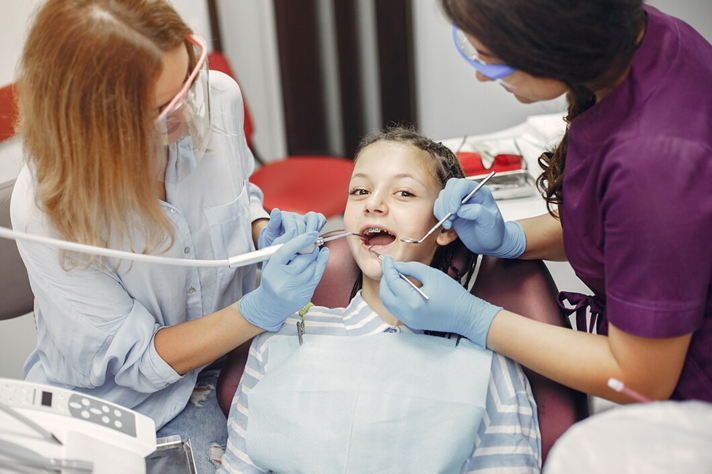
A child’s early dental experiences can shape the way they feel about oral care for years to come. Regular dental visits can help parents identify cavities, gum problems, bite concerns, oral habits, and tooth development issues before they become more complicated.
If you are looking for a kids dentist in Chembur, one of the most common questions is: when should your child first visit a dentist?
In general, children should have their first dental visit when the first tooth appears or by around the first birthday. Early visits are not only about treating problems. They are also about helping parents understand brushing, feeding habits, fluoride, teething, and cavity prevention.
At Evershine Dental & Cosmetic Clinic, parents can seek guidance about pediatric dentistry in Chembur, preventive care, cavities, milk teeth, and other common dental concerns in children.
This guide explains when children should first see a dentist, how often they may need checkups, how to prepare for the first appointment, why milk teeth matter, and the common treatments used in dental care for kids in Chembur.
When Should a Child First Visit the Dentist?
One of the most searched questions is: When should a child first visit the dentist?
The American Academy of Pediatric Dentistry recommends establishing a dental home no later than 12 months of age. (aapd.org)
This means the first visit should ideally happen:
- When the first tooth appears, or
- By the child’s first birthday
whichever comes first.
Many parents assume that a dentist is only needed after several teeth have erupted or when a child develops pain. However, early preventive visits can help identify risk factors before obvious dental problems appear.
Why Visit a Dentist So Early?
A baby may have only a few teeth, but the first dental appointment serves several important purposes.
A baby dentist in Chembur or dentist experienced with young children can help parents understand:
- How to clean newly erupted teeth
- Appropriate toothpaste use
- Feeding habits
- Bottle feeding at night
- Teething
- Fluoride
- Thumb sucking and pacifier habits
- Early cavity risk
- What to expect as more teeth erupt
The aim is prevention rather than waiting until treatment is required.
At What Age Should Kids See a Dentist?
For parents asking at what age should kids see a dentist?, the first birthday is a useful benchmark.
After the initial appointment, future visit intervals are based on the child’s individual dental health and cavity risk.
Children with a higher risk of tooth decay may need more frequent monitoring than those with excellent oral hygiene and low risk.
Early appointments also allow children to become familiar with the dental environment before they associate the dentist with pain or emergency treatment.
What Happens at a Child’s First Dental Visit?
The first kids dental checkup in Chembur is usually simple and age-appropriate.
Depending on the child’s age and cooperation, the dentist may:
- Examine erupted teeth
- Check the gums
- Look at jaw and bite development
- Assess tooth eruption
- Check for early tooth decay
- Discuss brushing
- Review feeding habits
- Discuss fluoride
- Evaluate oral habits
The visit can also help parents ask questions about their child’s dental development.
The first appointment is often more about education and prevention than treatment.
How Do I Prepare My Child for Their First Dental Visit?
Parents often ask: How do I prepare my child for their first dental visit?
Try to keep the experience positive and simple.
Use Positive Language
Tell your child that the dentist will:
- Count their teeth
- Look at their smile
- Help keep their teeth healthy
Avoid frightening words or detailed descriptions of needles, drilling, or pain.
Avoid Sharing Your Own Dental Anxiety
Children can easily pick up on a parent’s fear.
Even if you personally dislike dental treatment, try not to describe negative experiences before the appointment.
Choose a Suitable Appointment Time
Young children are often more cooperative when they are rested and not hungry.
A morning appointment may work well for some children.
Bring Useful Information
Tell the dentist about:
- Medical conditions
- Medications
- Allergies
- Previous dental problems
- Thumb sucking
- Pacifier use
- Feeding habits
Do Not Wait for an Emergency
A routine first appointment is generally easier for the child than introducing them to dentistry when they are already experiencing severe pain.
Why Are Milk Teeth Important?
A very common question is: Are milk teeth important?
Yes.
Baby teeth, also called primary teeth or milk teeth, play several important roles.
They help children:
- Chew food
- Develop speech
- Maintain appearance
- Hold space for permanent teeth
- Guide permanent teeth into position
- Maintain normal jaw function
Milk teeth may eventually fall out, but untreated disease in these teeth can still cause significant pain and infection.
This is why milk tooth treatment may be necessary rather than automatically waiting for the tooth to fall out.
What Causes Cavities in Children?
Parents frequently ask: What causes cavities in children?
Tooth decay develops when bacteria in dental plaque use sugars from food and drinks and produce acids that damage tooth enamel.
Risk factors can include:
- Frequent sugary snacks
- Sweet drinks
- Bottle feeding with sugary liquids
- Going to sleep with milk or sweetened drinks
- Inadequate brushing
- Poor fluoride exposure
- Frequent snacking
- Previous cavities
Young children may need adult help with brushing because they do not yet have the coordination to clean every tooth effectively.
Early Childhood Cavities
Tooth decay can develop surprisingly early.
Small children may develop cavities in front teeth or molars, particularly when sugary drinks or prolonged bottle feeding habits are involved.
Possible signs include:
- White spots
- Brown or black areas
- Visible holes
- Food trapping
- Tooth sensitivity
- Toothache
A pediatric dentist in Chembur can assess whether a suspicious area is early decay or needs treatment.
How Can I Prevent Tooth Decay in Kids?
The answer to how can I prevent tooth decay in kids? involves a combination of home care, diet, fluoride, and professional prevention.
Brush Twice Daily
Children’s teeth should be brushed twice daily using age-appropriate fluoride toothpaste.
Young children require supervision and assistance.
Reduce Frequent Sugary Snacks
It is not only the total amount of sugar that matters. Frequent exposure throughout the day can increase cavity risk.
Prefer Water
Water is generally a better everyday drink between meals than sugary juices or soft drinks.
Avoid Putting a Child to Bed With Sugary Drinks
Repeated exposure to milk or sugary liquids around bedtime can increase decay risk when teeth are not cleaned afterward.
Attend Regular Dental Checkups
Regular appointments allow early changes to be identified before they become larger cavities.
Ask About Fluoride and Sealants
Preventive treatments may be useful for selected children.
How Often Should Children Visit a Dentist?
Parents also ask: How often should children visit a dentist?
The frequency should be based on the individual child.
Many children are reviewed approximately every six months, but children with higher cavity risk or existing dental problems may need more frequent appointments.
The dentist may consider:
- Previous cavities
- Oral hygiene
- Diet
- Tooth eruption
- Gum health
- Orthodontic development
- Medical conditions
A personalised recall schedule is better than assuming every child needs exactly the same interval.
Kids Cavity Treatment
Kids cavity treatment depends on the size and location of the decay.
Very early decay may sometimes be managed with preventive measures.
More established cavities can require a filling.
Advanced decay may require:
- Larger restoration
- Pulp treatment
- Crown
- Extraction in selected cases
Treating cavities early can generally reduce the amount of dental work required.
Dental Fillings for Children
Dental fillings for children are commonly used to repair cavities in primary or permanent teeth.
The dentist removes the damaged portion of the tooth and restores the area with an appropriate filling material.
The choice of material depends on:
- Tooth location
- Size of cavity
- Child’s age
- Cooperation
- Bite
- Expected lifespan of the tooth
Parents should not ignore a cavity simply because it is in a milk tooth.
Fluoride Treatment for Kids
Fluoride treatment for kids can help strengthen tooth enamel and improve resistance to acid attacks.
Professional fluoride may be recommended for children at increased risk of tooth decay.
Fluoride use should be appropriate for the child’s age and individual needs.
A dentist can also advise parents about suitable fluoride toothpaste.
Dental Sealants for Children
Dental sealants for children are thin protective coatings placed on the chewing surfaces of certain back teeth.
Molars often have deep grooves where food and bacteria can collect.
Sealants can help cover these grooves and make them easier to keep clean.
The Centers for Disease Control and Prevention notes that sealants can protect children’s permanent molars from cavities. (cdc.gov)
Sealants are preventive and do not replace daily brushing.
Kids Tooth Decay Treatment
Kids tooth decay treatment should be based on how advanced the cavity has become.
Early Changes
The dentist may recommend:
- Improved brushing
- Fluoride
- Dietary changes
- Monitoring
Moderate Cavities
A filling may be required.
Deep Decay
If decay reaches close to or into the pulp, more extensive treatment may be necessary.
Severely Damaged Tooth
Extraction may be considered if the tooth cannot be restored.
Early checkups are valuable because smaller problems are usually easier to manage.
Children’s Tooth Extraction
Children’s tooth extraction is generally considered when keeping the tooth is no longer appropriate.
Reasons may include:
- Severe decay
- Dental infection
- Significant trauma
- Tooth that cannot be restored
- Orthodontic indications
Dentists usually consider whether the tooth can be saved before recommending extraction.
If a primary tooth is removed significantly earlier than expected, a space maintainer may sometimes be recommended.
What Is a Space Maintainer for Kids?
A space maintainer for kids is an appliance that helps preserve space when a milk tooth is lost prematurely.
Primary teeth help guide permanent teeth into the correct positions.
If one is lost too early, neighbouring teeth may move into the empty space.
This may reduce the room available for the developing permanent tooth.
A space maintainer is not required after every early tooth loss. The dentist considers:
- Which tooth was lost
- Child’s age
- Position of developing permanent tooth
- Bite
- Remaining space
Kids Braces Consultation
Children’s jaws and teeth continue developing for many years.
A kids braces consultation may be recommended if there are concerns such as:
- Severe crowding
- Crossbite
- Protruding teeth
- Jaw development problems
- Early or late tooth loss
- Significant bite issues
Not every child evaluated by an orthodontist needs braces immediately.
Some problems are simply monitored until a more suitable stage of development.
For older children and teenagers, parents can also learn more about orthodontic treatment in Chembur.
Braces for Children and Teenagers
Orthodontic treatment may be used to correct alignment and bite problems after an appropriate assessment.
Options can include:
- Metal braces
- Ceramic braces in selected older patients
- Clear aligners for suitable teenagers
Treatment timing depends on dental development and the type of orthodontic problem.
Preventive Dentistry for Children
Preventive dentistry for children aims to stop dental disease before extensive treatment becomes necessary.
It can include:
- Regular examinations
- Brushing instruction
- Dietary advice
- Fluoride
- Dental sealants
- Professional cleaning
- Monitoring tooth eruption
- Early orthodontic assessment
Prevention can make dental visits simpler and more comfortable for children.
Is Professional Cleaning Necessary for Kids?
Children can also develop plaque and tartar.
A professional cleaning may be recommended when deposits cannot be adequately removed at home.
Cleaning can also help children understand the importance of oral hygiene.
However, not every child needs the same type or frequency of professional cleaning.
What If My Child Is Afraid of the Dentist?
Fear of dental treatment is common.
Parents and dental teams can help by:
- Keeping appointments calm
- Using age-appropriate explanations
- Allowing the child time to become comfortable
- Beginning with simple visits where possible
- Avoiding threats about the dentist
- Praising cooperative behaviour
A positive first experience can help reduce anxiety during future visits.
Should I Use a Pediatric Dentist or a General Dentist?
A pediatric dentist in Chembur focuses specifically on children’s oral health, while many general dentists also routinely treat children.
The most important considerations are whether the dental professional:
- Is comfortable treating children
- Communicates well with them
- Understands child dental development
- Provides preventive guidance
- Can manage common childhood dental conditions
For more complex pediatric needs, specialist care may be recommended.
Choosing a Kids Dentist in Chembur
When looking for a kids dentist in Chembur, consider more than just location.
A child-friendly dental clinic should ideally provide:
- Gentle communication
- Preventive care
- Age-appropriate examinations
- Cavity assessment
- Fluoride advice
- Guidance for parents
- Appropriate treatment options
- Referral when specialist care is needed
Instead of focusing only on the phrase best pediatric dentist in Chembur, look for a clinician who explains treatment clearly and helps both the child and parent feel comfortable.
When Should You Take a Child to the Dentist Urgently?
Do not wait for a routine appointment if your child develops:
- Severe toothache
- Facial swelling
- Dental trauma
- Broken permanent tooth
- Uncontrolled bleeding
- Pus or dental abscess
- Fever associated with dental swelling
- Difficulty swallowing or breathing
Significant facial swelling or breathing difficulty requires urgent medical attention.
What Should Parents Know About Dental Emergencies?
Children commonly experience falls and sports-related injuries.
If a tooth is damaged, contact a dentist promptly.
Permanent teeth that are knocked out require particularly urgent assessment.
Treatment differs for baby and permanent teeth, so parents should avoid trying to manage significant dental trauma without professional advice.
Are Milk Teeth Treated Differently From Permanent Teeth?
Yes.
The dentist considers:
- How long the milk tooth is expected to remain
- Amount of decay
- Presence of infection
- Child’s age
- Developing permanent tooth
- Ability to restore the tooth
A milk tooth that will naturally fall out very soon may have different treatment considerations from one that should remain for several more years.
What Should Children Eat for Healthy Teeth?
A balanced diet helps support oral health.
Try to limit frequent sugary snacks and drinks such as:
- Sweets
- Chocolates
- Biscuits
- Sugary juices
- Soft drinks
Healthier everyday choices can include:
- Water
- Milk at appropriate times
- Vegetables
- Fruits
- Cheese
- Balanced meals
The frequency of sugar exposure matters because teeth experience repeated acid attacks every time sugary foods or drinks are consumed.
Toothbrush and Toothpaste for Children
Parents should choose a toothbrush appropriate for the child’s age and mouth size.
A small soft-bristled toothbrush can make cleaning easier.
Fluoride toothpaste should be used according to age-appropriate recommendations.
Parents should continue helping or supervising brushing until the child can clean effectively on their own.
Frequently Asked Questions
When should a child first visit the dentist?
A child should generally have their first dental visit when the first tooth appears or by approximately 12 months of age. The AAPD recommends establishing a dental home no later than the first birthday. (aapd.org)
At what age should kids see a dentist?
Children should ideally begin dental visits during infancy rather than waiting until all baby teeth have erupted.
How often should children visit a dentist?
The interval depends on the child’s cavity risk and oral health. Many children are reviewed around every six months, but a dentist may recommend a different schedule.
How do I prepare my child for their first dental visit?
Keep explanations positive and simple. Avoid frightening language, choose a time when the child is rested, and present the visit as a normal part of staying healthy.
Are milk teeth important?
Yes. Milk teeth help with chewing, speech, appearance, jaw development, and maintaining space for permanent teeth.
What causes cavities in children?
Cavities develop when plaque bacteria repeatedly interact with sugars, producing acids that damage enamel. Frequent sugary snacks, inadequate brushing, and bedtime feeding habits can increase risk.
How can I prevent tooth decay in kids?
Brush twice daily with appropriate fluoride toothpaste, supervise young children, limit frequent sugary snacks and drinks, attend regular dental checkups, and discuss preventive fluoride or sealants with your dentist.
Do cavities in milk teeth need treatment?
Yes, many do. Untreated cavities can cause pain, infection, difficulty eating, and premature tooth loss.
Are dental sealants good for children?
Sealants can help protect vulnerable grooves on permanent back teeth. The CDC identifies sealants as an effective cavity-prevention measure for molars. (cdc.gov)
When might a child need a space maintainer?
A space maintainer may be recommended when a milk tooth is lost earlier than expected and there is a risk that neighbouring teeth could move into the space.
At what age can children get braces?
There is no single age. Treatment timing depends on the child’s tooth eruption, jaw growth, bite, and type of orthodontic problem.
What should I do if my child is scared of the dentist?
Keep appointments positive, avoid sharing negative dental experiences, and choose a dentist who is comfortable communicating with children.
Final Thoughts
Finding a kids dentist in Chembur should not begin only when your child develops tooth pain. Early preventive dental visits can help parents understand brushing, fluoride, eating habits, teething, cavity prevention, and normal dental development.
A first dental visit is generally recommended when the first tooth erupts or by around the first birthday. After that, the frequency of kids dental checkups in Chembur should be based on the child’s individual oral health and cavity risk.
Regular dental care can also help identify cavities, gum problems, early tooth loss, bite concerns, and orthodontic issues before they become more complicated.
If you are looking for dental care for kids in Chembur, you can visit Dr. Alisha’s Evershine Dental & Cosmetic Clinic for an assessment and guidance about preventive care, cavities, milk teeth, dental fillings, tooth development, and other common childhood dental concerns.