
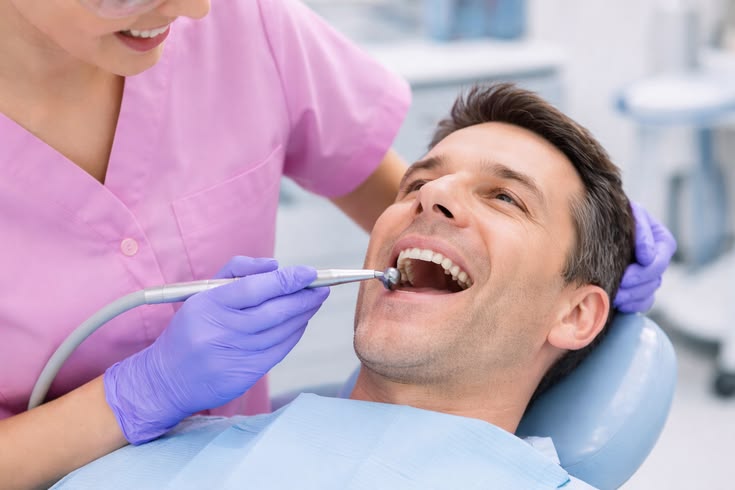
A toothache at night can be especially difficult because the pain often feels stronger just when you are trying to sleep. Some people notice a dull ache during the day that becomes intense after lying down, while others develop a throbbing toothache at night that keeps waking them up. Patients experiencing persistent or severe nighttime dental pain can visit Dr. Alisha’s Evershine Dental and Cosmetic Clinic in Chembur for an in-person dental assessment. You can also explore the Dentist in Chembur page or use an online dental consultation for initial guidance if you are unable to visit immediately.
If you are wondering why does tooth pain get worse at night, there are several possible reasons. Lying down can increase blood flow and pressure around an already inflamed tooth, there are fewer distractions at night, and conditions such as tooth decay, pulp inflammation, dental infection, cracked teeth, wisdom tooth problems, or sinus pressure may become more noticeable.
This guide explains common night tooth pain causes, why lying down can intensify symptoms, what you can do temporarily for toothache relief, and when nighttime dental pain needs urgent treatment.
Why Does My Tooth Hurt More at Night?
One of the most common questions is: Why does my tooth hurt more at night?
There are several reasons why pain may feel stronger after bedtime.
Increased Awareness of Pain
During the day, you are usually distracted by:
- Work
- Talking
- Eating
- Travelling
- Daily activities
At night, the environment is quiet and there are fewer distractions, so you may become much more aware of discomfort that was already present.
Lying Down
When you lie flat, blood flow to the head can increase slightly.
If the tissues inside or around a tooth are inflamed, this may make pressure or throbbing feel more noticeable.
This is one reason some people experience tooth pain when lying down but feel slightly better when sitting upright.
Progressing Dental Problems
Nighttime pain can also be associated with conditions that cause deeper inflammation, including:
- Advanced tooth decay
- Pulpitis
- Dental abscess
- Cracked tooth
- Tooth infection
These problems may produce spontaneous pain even without eating or drinking.
Why Does Tooth Pain Get Worse When Lying Down?
If you are asking why does tooth pain get worse when lying down?, the explanation often involves both physiology and perception.
An inflamed tooth may already have increased pressure within or around it. Lying flat can make that throbbing sensation feel more intense.
Some people notice that sleeping with the head slightly elevated feels more comfortable than lying completely flat.
However, changing your sleeping position does not treat the cause.
If tooth pain becomes significantly worse every night, the underlying tooth should be examined.
1. Tooth Decay
Tooth decay is one of the most common causes of nighttime tooth pain.
A cavity may initially cause only:
- Cold sensitivity
- Sweet sensitivity
- Mild pain when chewing
As decay progresses deeper toward the dental pulp, symptoms can become more severe.
A deep cavity may cause:
- Spontaneous toothache
- Lingering sensitivity
- Pain at night
- Throbbing
- Difficulty sleeping
This is why a cavity that seemed minor earlier can eventually cause severe toothache at night.
Can a Cavity Cause Severe Pain at Night?
Yes.
Can a cavity cause severe pain at night? Absolutely.
When decay reaches the deeper layers of the tooth, it can irritate or infect the pulp.
The pulp contains nerves and blood vessels, so inflammation in this area can produce intense pain.
Symptoms may include:
- Pain without eating
- Lingering pain after hot or cold
- Night pain
- Throbbing
- Pain radiating into the jaw
At this stage, a filling may no longer be sufficient.
2. Pulpitis
Pulpitis means inflammation of the dental pulp.
It can develop because of:
- Deep decay
- Tooth trauma
- Cracks
- Repeated dental treatment
- Significant irritation
There are different degrees of pulp inflammation.
Milder irritation may sometimes settle after the cause is treated.
More severe or irreversible pulpitis may cause:
- Spontaneous pain
- Severe hot or cold sensitivity
- Lingering pain
- Nighttime tooth pain
- Throbbing
These can be important root canal symptoms.
3. Dental Abscess
A dental abscess is a collection of infection associated with a tooth or surrounding tissues.
Possible symptoms include:
- Severe toothache
- Swelling
- Throbbing
- Gum tenderness
- Pus
- Bad taste
- Fever
- Facial swelling
An abscess may produce severe tooth infection pain at night.
This is not a problem that should be managed only with painkillers.
The source of infection may require:
- Root canal treatment
- Drainage
- Extraction
- Other dental treatment
depending on the tooth.
Is Nighttime Tooth Pain a Sign of Infection?
Sometimes.
Is nighttime tooth pain a sign of infection? It can be, especially when pain is accompanied by:
- Swelling
- Throbbing
- Pus
- Bad taste
- Fever
- Pain when biting
- Facial swelling
However, not every nighttime toothache means you have an infection.
Pulp inflammation, cracks, cavities, or grinding can also cause pain.
A dental examination is needed to determine the cause.
4. Infected Tooth
An infected tooth may cause pain that becomes more intense during the night.
The discomfort can be:
- Constant
- Throbbing
- Sharp
- Radiating
It may also spread toward:
- Ear
- Jaw
- Temple
- Nearby teeth
If an infected tooth can still be restored, root canal treatment in Chembur may be considered.
If the tooth cannot be saved, extraction may be necessary.
5. Cracked Tooth
A cracked tooth can cause unpredictable pain.
Some people notice:
- Pain while biting
- Pain when releasing the bite
- Cold sensitivity
- Intermittent nighttime pain
Cracks can be difficult to see because they may be extremely small.
A cracked tooth may require:
- Filling
- Bonding
- Crown
- Root canal
- Extraction
depending on the extent of the fracture.
6. Wisdom Tooth Pain
Wisdom tooth pain may also interfere with sleep.
Partially erupted or impacted wisdom teeth can cause:
- Pain at the back of the jaw
- Swollen gums
- Difficulty opening the mouth
- Food trapping
- Bad taste
- Gum infection
Pain can become especially noticeable at night when there are fewer distractions.
If wisdom tooth symptoms keep returning, a dentist may recommend X-rays and further treatment.
7. Teeth Grinding at Night
Some people grind or clench their teeth while sleeping.
This can cause:
- Morning tooth soreness
- Jaw pain
- Headaches
- Tooth sensitivity
- Cracked teeth
If your teeth hurt primarily after waking rather than while falling asleep, nighttime grinding may be contributing.
A dentist can assess tooth wear and may recommend a night guard in suitable cases.
8. Sinus Tooth Pain
Sinus tooth pain can sometimes feel like a toothache, particularly in the upper back teeth.
The roots of these teeth are located close to the sinus cavities.
Sinus inflammation can cause:
- Pressure
- Facial heaviness
- Pain in several upper teeth
- Nasal congestion
- Headache
If several upper teeth hurt at the same time and you also have sinus symptoms, sinus pressure may be involved.
However, severe pain focused on one tooth should still be assessed dentally.
9. Damaged Filling or Crown
An old filling or crown can sometimes develop problems such as:
- Cracks
- Leakage
- Decay underneath
- Loosening
These issues can lead to sensitivity or pain.
Nighttime pain from a previously restored tooth may indicate that the underlying tooth needs to be checked.
10. Gum Infection
Pain does not always come from inside the tooth.
A gum infection or periodontal abscess can also produce:
- Localised pain
- Swelling
- Tenderness
- Bleeding
- Bad taste
This pain can become more noticeable at night.
Why Do I Have a Throbbing Toothache at Night?
A throbbing toothache at night often suggests significant inflammation.
Possible causes include:
- Deep cavity
- Pulpitis
- Dental abscess
- Gum infection
- Cracked tooth
Throbbing pain is particularly concerning when it:
- Keeps you awake
- Occurs without a trigger
- Becomes stronger
- Is accompanied by swelling
Persistent throbbing pain should be professionally assessed.
Why Does My Tooth Hurt Only at Night?
Some people notice little discomfort during the day but significant pain after going to bed.
Possible explanations include:
- Reduced distraction
- Lying flat
- Early pulp inflammation
- Grinding
- Sinus pressure
- Changes in temperature or eating habits before bedtime
Pain that consistently returns each night is not something to ignore even if it disappears in the morning.
Can’t Sleep Because of Toothache: What Can You Do?
If you can’t sleep because of toothache, the main goal should be to arrange professional treatment as soon as possible.
Until you can see a dentist, temporary measures may include the following.
Keep Your Head Elevated
Try sleeping with your head slightly raised.
This may reduce the sense of pressure compared with lying completely flat.
It will not treat the cause, but some people find it more comfortable.
Keep the Area Clean
Brush gently around the painful tooth.
Food trapped around a cavity or gum can sometimes worsen discomfort.
Floss carefully if food is stuck between teeth.
Avoid Hot, Cold or Sweet Triggers
If the tooth is sensitive, avoid:
- Ice
- Very cold water
- Very hot drinks
- Sweets
- Very sugary foods
until the tooth has been examined.
Avoid Chewing on the Painful Side
Pressure can worsen discomfort if there is:
- Crack
- Deep decay
- Abscess
- Damaged filling
Use the opposite side where possible.
Use Appropriate Pain Relief
Over-the-counter pain medicines may provide temporary relief for some patients when used according to the label and when medically appropriate.
Your dentist or pharmacist can advise which medicines are suitable for you.
Do not exceed recommended doses.
Do Not Put Aspirin on the Tooth
A common home remedy is placing aspirin directly on the gum.
Do not do this.
Aspirin can irritate and chemically burn the soft tissues.
Warm Salt-Water Rinse
A gentle warm salt-water rinse may help keep the area clean in some situations.
Do not use very hot water.
This is only a temporary measure and does not treat decay or infection.
Toothache Relief vs Toothache Treatment
It is important to distinguish toothache relief from treatment.
Temporary measures may reduce pain, but they do not repair:
- Cavities
- Cracks
- Dental infections
- Damaged fillings
- Abscesses
If the pain keeps returning, treatment of the underlying cause is necessary.
How Can I Sleep With a Severe Toothache?
For the question how can I sleep with a severe toothache?, try:
- Keeping your head elevated
- Avoiding temperature triggers
- Cleaning around the tooth
- Avoiding chewing on that side
- Using medically appropriate pain relief
Most importantly, arrange a dental appointment.
If pain is severe enough to repeatedly prevent sleep, the tooth requires assessment.
How Is Nighttime Tooth Pain Diagnosed?
A dentist may use:
Dental Examination
To look for:
- Cavities
- Cracks
- Swelling
- Damaged restorations
- Wisdom tooth problems
Dental X-Rays
To identify:
- Deep decay
- Root infection
- Abscess
- Impacted teeth
- Bone changes
Pulp Testing
Cold or other vitality tests may help determine whether the tooth nerve is inflamed or damaged.
Bite Test
This may help identify cracks or inflammation around the tooth.
When Does Nighttime Tooth Pain Need a Root Canal?
A root canal may be recommended when the pulp is irreversibly inflamed or infected.
Possible root canal symptoms include:
- Severe night pain
- Spontaneous toothache
- Lingering sensitivity
- Throbbing
- Swelling
- Pain after hot foods
- Deep decay
Not every nighttime toothache requires a root canal.
A diagnosis is necessary before treatment.
Can Toothache at Night Mean I Need an Extraction?
Sometimes, but only when the tooth cannot be predictably saved.
Extraction may be considered for:
- Severe fracture
- Extensive decay
- Advanced periodontal damage
- Non-restorable tooth
If possible, your dentist may discuss treatments that preserve the natural tooth first.
When Is a Toothache an Emergency?
One of the most important questions is: When is a toothache an emergency?
Seek urgent dental or medical attention if tooth pain occurs with:
- Significant facial swelling
- Difficulty swallowing
- Difficulty breathing
- Fever with swelling
- Rapidly increasing swelling
- Uncontrolled bleeding
- Severe facial trauma
Difficulty breathing or swallowing can indicate a spreading infection and requires urgent medical attention.
What If the Pain Suddenly Stops?
Pain disappearing does not always mean the tooth has healed.
In some cases, the nerve inside a severely damaged tooth may die.
Pain may temporarily reduce even though infection remains.
If you had severe tooth pain that suddenly disappeared, particularly if there is swelling or a bad taste, have the tooth checked.
Can Toothache Be Prevented?
Many causes of dental pain can be reduced through preventive care.
Brush Twice Daily
Use fluoride toothpaste.
Clean Between Teeth
Floss or use interdental cleaning aids.
Limit Frequent Sugary Foods
Repeated sugar exposure increases cavity risk.
Attend Dental Checkups
Early cavities may be treated before they cause pain.
Treat Broken Teeth
Do not ignore cracks or damaged fillings.
Consider a Night Guard
If grinding is damaging your teeth, your dentist may recommend one.
Can an Online Dental Consultation Help With Toothache at Night?
An online dental consultation can be useful as an initial step when you have nighttime tooth pain and are unsure what to do next.
You may be able to discuss:
- Pain severity
- Swelling
- How long symptoms have lasted
- Sensitivity
- Previous fillings
- Visible cavities
- Photos or existing X-rays
Patients who cannot immediately visit can use Evershine’s online dental consultation for initial guidance.
However, severe or persistent toothache usually requires an in-person examination and may need X-rays.
Frequently Asked Questions
Why does my tooth hurt more at night?
Tooth pain can feel stronger at night because there are fewer distractions and lying flat can make throbbing or pressure more noticeable. Deep decay, pulpitis or infection can also cause spontaneous nighttime pain.
Why does tooth pain get worse when lying down?
Lying flat may make blood flow and pressure around an already inflamed tooth feel more noticeable. Raising the head may temporarily reduce discomfort.
How can I sleep with a severe toothache?
Keep your head elevated, avoid chewing on the painful side, avoid very hot or cold foods, keep the area clean, and use appropriate pain relief if medically suitable. Arrange a dental appointment as soon as possible.
Is nighttime tooth pain a sign of infection?
It can be. Tooth infection is more likely if nighttime pain occurs with swelling, pus, fever, throbbing, or pain when biting.
Can a cavity cause severe pain at night?
Yes. A deep cavity can inflame or infect the dental pulp, producing severe spontaneous or nighttime toothache.
When is a toothache an emergency?
Seek urgent care if toothache occurs with major swelling, fever, difficulty swallowing, difficulty breathing, rapidly spreading infection, or significant trauma.
Why is my tooth throbbing at night?
Throbbing may occur with pulp inflammation, deep decay, dental abscess, or significant gum infection.
Can wisdom teeth cause nighttime pain?
Yes. Impacted or infected wisdom teeth can cause pain, swelling and pressure that may become especially noticeable at night.
Does nighttime tooth pain mean I need a root canal?
Not always. However, severe spontaneous pain, lingering temperature sensitivity, throbbing and night pain can be signs that the pulp needs assessment.
Can sinus pressure cause tooth pain at night?
Yes. Sinus inflammation can produce pressure in the upper back teeth, particularly if you also have nasal congestion or facial pressure.
Can tooth grinding cause night tooth pain?
Yes. Grinding or clenching can stress teeth and cause soreness, sensitivity and jaw pain.
Will toothache go away without treatment?
Some temporary irritation can improve, but tooth decay, infection and cracks generally need professional treatment. Pain disappearing does not always mean the underlying problem has resolved.
Final Thoughts
A toothache at night can have several causes, including deep tooth decay, pulpitis, dental infection, a cracked tooth, wisdom tooth problems, grinding, sinus pressure, or gum disease.
The reason your toothache feels worse at night may partly be because lying down and having fewer distractions make pressure and pain more noticeable. However, repeated tooth pain while sleeping can also indicate a dental condition that should be treated rather than repeatedly managed with temporary pain relief.
If you experience a severe toothache at night, especially with throbbing, swelling, fever, a bad taste, or pain when biting, do not delay evaluation.
Patients experiencing nighttime dental pain can visit Dr. Alisha’s Evershine Dental and Cosmetic Clinic in Chembur, explore the Dentist in Chembur page, or use an online dental consultation for initial guidance about symptoms and urgency.
This article is intended for general educational purposes and does not replace an individual dental examination, diagnosis, or personalised treatment plan.