
Root canal treatment is one of the most misunderstood dental procedures. Commonly associated with severe pain, many patients avoid it until they can no longer ignore their dental issues. But is root canal treatment really painful, or is this a myth?
In this blog, an expert dentist in Chembur explains the truth behind root canal treatments, why they are necessary, and how modern techniques make this procedure less painful than you might think. Whether you’re dealing with tooth sensitivity, deep decay, or infection, this guide will help you understand the process better and put your mind at ease.
What is Root Canal Treatment?
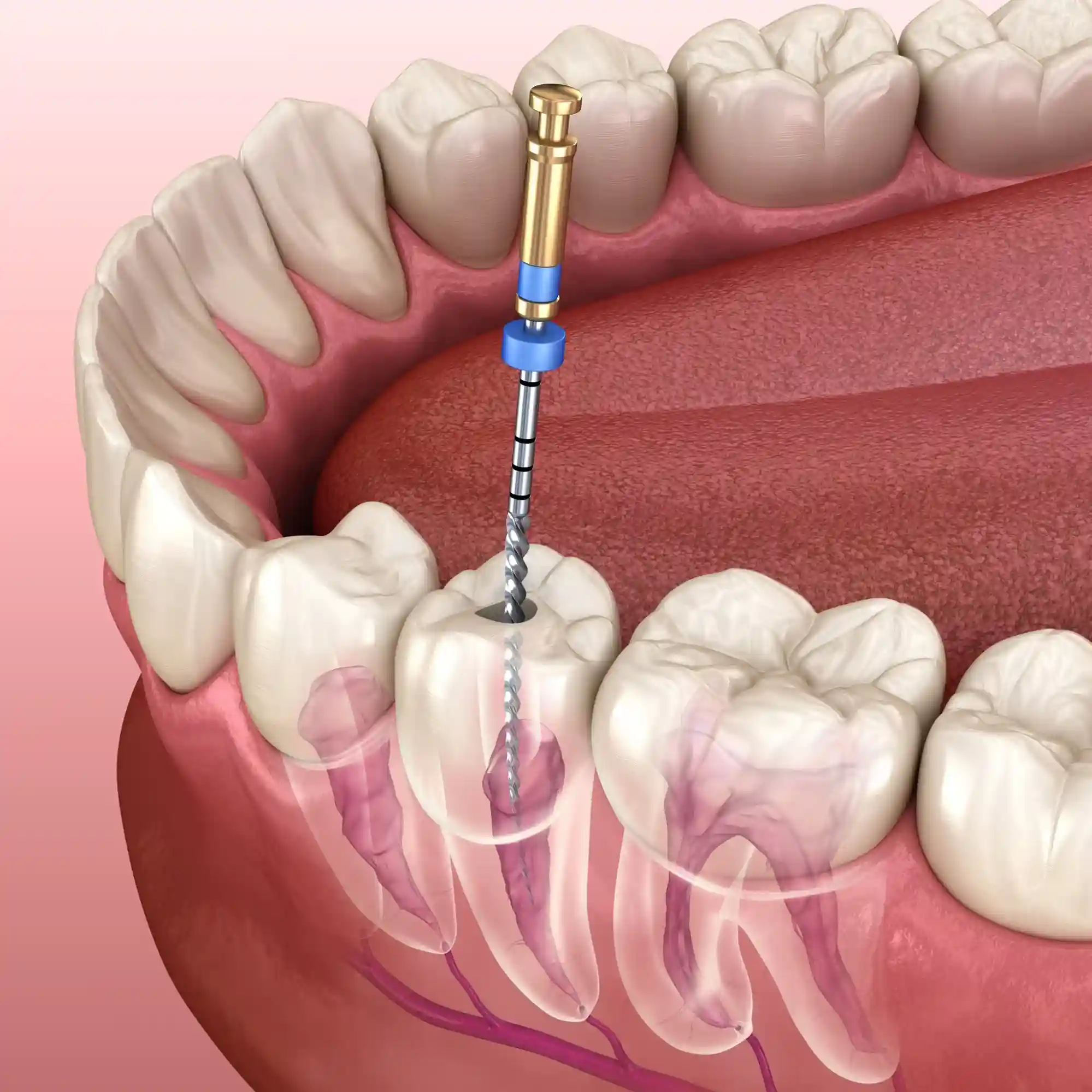
Root canal treatment, also known as endodontic therapy, is performed when the tooth’s pulp (the soft tissue inside the tooth) becomes infected or inflamed. This happens due to:
- Deep decay
- Repeated dental procedures
- Trauma or cracks in the tooth
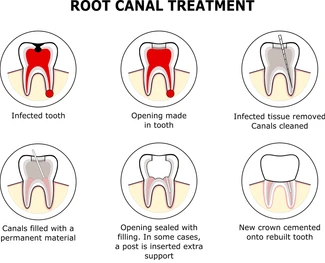
The goal of a root canal is to remove the infected pulp, clean the inside of the tooth, and seal it to prevent further infection. This procedure helps save the tooth from extraction, maintaining its function and structure.
Is Root Canal Treatment Painful?
No, root canal treatment is generally not painful. In fact, most patients report feeling much less discomfort during the procedure than they initially expected. Here’s why:
1️⃣ Local Anesthesia
Dentists use local anesthesia to numb the area around the affected tooth, ensuring that you don’t feel any pain during the procedure.
2️⃣ Advanced Techniques
Thanks to modern dental technology, root canal treatments are quicker and more comfortable than ever. Digital X-rays and rotary instruments make the procedure more precise, reducing pain and speeding up recovery.
3️⃣ Post-Procedure Care
After the treatment, you might experience some soreness for a few days, but this is usually mild and can be managed with over-the-counter painkillers. The discomfort will subside as your tooth heals.
Why Choose a Trusted Dentist in Chembur for Root Canal Treatment?
Local dental clinics in Chembur, such as Dr. Alisha’s Evershine Clinic, are equipped with state-of-the-art technology, offering precise and minimally invasive root canal treatments. Choosing an expert dentist in Chembur has several advantages:
- Familiarity with local needs: Chembur dentists understand the unique dietary habits and oral health issues that residents face, allowing them to provide personalized care.
- Convenience: Being located in Chembur means easier access to appointments, follow-up care, and emergency visits if needed.
- Affordable care: Local clinics provide high-quality care without the high costs often associated with larger hospitals.
When is Root Canal Treatment Necessary?
Root canal treatment becomes essential when the tooth pulp is infected, which can be caused by:
- Severe tooth decay
- Trauma (a crack or chip in the tooth)
- Recurrent dental procedures
- Gum disease (which causes infection to spread into the tooth)
If left untreated, an infected pulp can lead to abscesses, bone loss, and the eventual loss of the tooth. So, it’s essential to seek treatment promptly if you experience symptoms such as:
- Severe tooth pain (especially when chewing or touching the tooth)
- Sensitivity to hot or cold
- Swelling in the gums
Tenderness or a pimple-like bump on the gums
What Happens During Root Canal Treatment?
1️⃣ Consultation
The first step is a thorough consultation where your dentist in Chembur will examine the affected tooth and take X-rays to determine the extent of the infection.
2️⃣ Anesthesia
The area around the tooth will be numbed using a local anesthetic to ensure you feel no pain during the procedure.
3️⃣ Removal of Infected Pulp
The dentist will create a small opening in the tooth to remove the infected pulp and clean the area.
4️⃣ Filling and Sealing
Once the infection is removed and the tooth is cleaned, the space is filled with a special material to seal the tooth. This helps prevent further infection.
5️⃣ Restoration
In some cases, the tooth may need a crown to restore its shape and function. Your dentist will discuss the best option for you.
Post-Treatment Care
After a root canal, it’s normal to feel mild discomfort or sensitivity. Follow these tips to speed up recovery:
- Take prescribed medication to manage pain
- Avoid chewing on the treated side until it’s fully healed
- Follow up with your dentist for a final check-up and possible restoration (such as a crown)
Most patients report feeling better within a few days after the procedure, with no pain or discomfort after healing.
Final Thoughts
Root canal treatment isn’t as painful as many people think. Modern techniques, local anesthesia, and expert dentists in Chembur can ensure a smooth, comfortable procedure. If you’re experiencing symptoms of a dental infection, it’s crucial to seek treatment before the issue worsens.
Choosing a trusted dentist in Chembur for your root canal treatment ensures that you get the highest quality care, in a convenient location, and at an affordable price.
Visit Our Dental Clinic in Chembur
If you’re worried about root canal treatment, Dr. Alisha’s Evershine Clinic in Chembur is here to provide expert care in a comfortable environment. Our experienced team uses advanced technology and techniques to ensure that the procedure is as painless and efficient as possible, offering immediate relief for tooth pain.
📍 Get Directions:
Clinic Timings:
🕘 9:30 AM – 9:00 PM (Open 7 Days a Week)
For reliable and pain-free root canal treatment, visit us today!
Frequently Asked Questions
Is root canal treatment painful?
Root canal treatment is not painful due to local anesthesia and modern, advanced techniques that make the procedure more comfortable than expected.
How long does root canal treatment take?
The treatment usually takes 1 to 2 hours depending on the complexity of the case. Some procedures may require a follow-up visit for restoration.
How do I know if I need a root canal?
Symptoms such as severe tooth pain, sensitivity to hot or cold, swelling, or a bump on the gums often indicate the need for a root canal.
Can I wait to get a root canal treatment?
Delaying treatment can lead to worsened infection, which may spread to other areas, leading to the potential loss of the tooth.
Is a root canal the only option for an infected tooth?
Root canal treatment is typically the best option for saving an infected tooth. In some cases, extraction may be necessary if the tooth cannot be saved.
How long does recovery take after root canal treatment?
Most patients recover within a few days with mild discomfort. Full recovery, including any restorative procedures (like crowns), may take longer.