
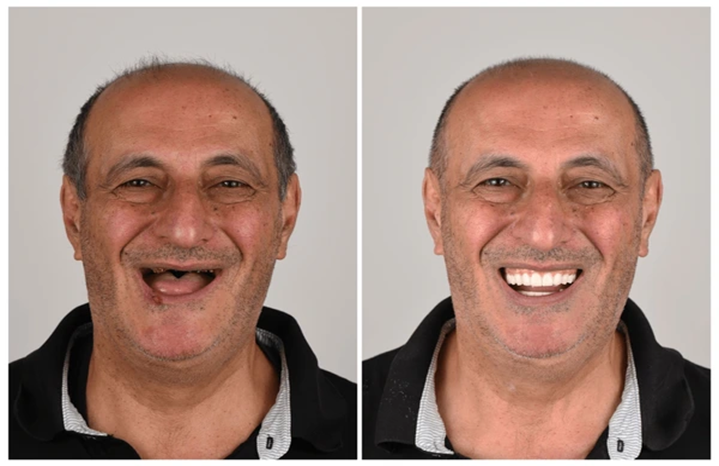
Missing a tooth can affect much more than the appearance of your smile. It may change the way you chew, affect speech, put additional pressure on neighbouring teeth, and make you feel uncomfortable while smiling. Dental implants are one of the most established options for replacing missing teeth because they are designed to act as artificial tooth roots and support a crown, bridge, or denture.
If you are researching dental implant cost in Chembur, it is important to understand that there is no single fixed price for every patient. The total dental implant treatment cost depends on the number of missing teeth, the implant system used, bone condition, the type of final crown or restoration, and whether procedures such as bone grafting are needed.
At Dr. Alisha’s Evershine Dental & Cosmetic Clinic, patients considering dental implants in Chembur can undergo an assessment to understand their treatment options before deciding whether implants are appropriate for them.
This guide explains dental implant types, costs, the dental implant procedure step by step, recovery, aftercare, and some of the most common questions patients have before treatment.
What Is a Dental Implant?
A dental implant is a small post, commonly made from titanium, that is surgically positioned in the jawbone where a natural tooth is missing. After placement, the surrounding bone gradually heals around the implant through a process called osseointegration. Once the implant is sufficiently stable, it can support a crown, bridge, or other dental restoration.
A typical implant restoration has three main parts:
- Implant: The component placed inside the jawbone.
- Abutment: A connector attached to the implant.
- Crown: The visible artificial tooth placed over the abutment.
Patients searching for a dental implant dentist in Chembur should first undergo a complete dental assessment because implant treatment has to be planned according to individual bone, gum, bite, and medical conditions.
Dental Implant Cost in Chembur
One of the first questions patients ask is: How much do dental implants cost in Chembur?
According to Evershine Clinic’s current dental implant information, the price of a single dental implant is generally listed at approximately ₹30,000 to ₹50,000, although the final cost depends on the implant type, complexity of treatment, and whether additional procedures are required.
This means the tooth implant cost in Chembur should not be judged only by an advertised starting price. A complete quotation may include several components.
What Can Affect Dental Implant Charges in Chembur?
The final dental implant price in Chembur can vary because of factors such as:
Number of implants
A single tooth implant cost in Chembur will naturally differ from treatment involving several missing teeth or a complete arch.
Type and brand of implant
Different implant systems, materials, designs, and manufacturers may have different costs.
Type of crown
The crown fitted over an implant may be made from materials such as zirconia, ceramic, or other suitable restorative materials. The material selected can affect the overall dental implant with crown cost.
Bone quantity and quality
Some patients have sufficient bone for implant placement, while others may require additional treatment to create adequate support.
Bone grafting
If jawbone volume is inadequate, bone grafting may be recommended before or during implant placement. Evershine Clinic notes that bone grafting may form part of the treatment plan when required.
Additional dental treatment
Gum treatment, extraction of a damaged tooth, imaging, temporary restorations, or other procedures may influence the total treatment cost.
Complexity of the case
Straightforward single implant placement and extensive rehabilitation involving multiple implants require very different levels of treatment planning.
For this reason, patients looking for affordable dental implants in Chembur should compare the complete treatment plan rather than only the lowest quoted implant price.
Single Tooth Implant Cost vs Multiple Implant Cost
The treatment required depends on how many teeth have been lost.
Single Tooth Implant
When only one tooth is missing, one implant can usually support an individual crown.
The overall single tooth implant cost may include:
- Examination and treatment planning
- Diagnostic imaging
- Implant placement
- Abutment
- Final crown
- Follow-up appointments
Multiple Dental Implants
If several teeth are missing, patients do not necessarily require a separate implant for every lost tooth. Depending on the case, a smaller number of implants may sometimes support an implant-retained bridge.
Therefore, multiple dental implant cost is determined only after evaluating the number and position of missing teeth.
Full Mouth Dental Implants
Patients who have lost most or all of their teeth may be candidates for full mouth dental implants in Chembur.
Options can include implant-supported bridges or dentures, depending on bone condition and individual requirements.
The full mouth implant cost is considerably more case-dependent because it can involve multiple implants, additional planning, temporary teeth, laboratory work, and final restorations.
What Are All-on-4 and All-on-6 Dental Implants?
Patients researching complete tooth replacement often encounter the terms All-on-4 and All-on-6.
All-on-4 Dental Implants
All-on-4 treatment uses four implants to support a full arch of replacement teeth. Evershine Clinic lists All-on-4 among the implant options offered for patients with multiple missing teeth.
The All-on-4 dental implant cost depends on factors such as the implant system, final prosthesis, bone condition, laboratory work, and any preliminary treatment.
All-on-6 Dental Implants
An All-on-6 approach uses six implants to support a full-arch restoration where clinically appropriate.
The All-on-6 dental implant cost can differ from All-on-4 treatment because more implants are used and treatment requirements vary.
Neither option is automatically better for every patient. The number and position of implants must be determined after clinical and radiographic evaluation.
Different Dental Implant Types
Understanding dental implant types can make it easier to understand why treatment plans and prices differ.
Endosteal Implants
Endosteal implants are placed directly within the jawbone and are among the commonly used implant designs. Evershine Clinic describes these as suitable when adequate bone structure is available.
Subperiosteal Implants
These are positioned differently from conventional endosteal implants and may be considered in selected situations where conventional placement is unsuitable.
Zygomatic Implants
Zygomatic implants involve anchorage in the cheekbone and are generally reserved for complex cases involving significant upper-jaw bone deficiency.
Full-Arch Implant Systems
Solutions such as All-on-4 may be considered for patients who require replacement of an entire dental arch.
Your dentist will determine which option is appropriate after assessing your jawbone, gums, remaining teeth, bite, and medical history.
Dental Implant Procedure Step by Step
Many people worry about how dental implants are done. Although treatment differs between patients, the general process usually involves several stages.
1. Initial Dental Consultation
The first step is a detailed oral examination.
Your dentist may assess:
- Missing teeth
- Gum condition
- Existing teeth
- Jawbone structure
- Bite
- Medical history
- Oral hygiene
X-rays or 3D scans may also be used for implant planning. Evershine Clinic describes imaging and bone assessment as part of its implant consultation process.
2. Treatment Planning
After the assessment, the dentist decides:
- How many implants may be required
- Where they should be positioned
- Whether bone grafting is necessary
- Which restoration may be suitable
- Approximate treatment stages and timeline
This is also the stage where you should receive an explanation of your estimated dental implant treatment cost.
3. Bone Grafting, If Required
Not every patient needs bone grafting.
However, if there is not enough suitable jawbone to support an implant, additional bone may need to be added before or during implant placement.
Whether bone graft for dental implants is necessary depends on the individual case.
4. Dental Implant Surgery
During dental implant surgery, the implant is placed into the planned position within the jawbone.
Local anaesthesia is commonly used during implant placement. Evershine Clinic states that its implants are generally placed under local anaesthesia.
5. Osseointegration
After placement, the bone needs time to heal around the implant.
This biological process is called osseointegration and is fundamental to creating stable implant support.
Evershine Clinic states that this stage can commonly take approximately three to six months, although individual healing times vary.
6. Abutment Placement
Once the implant has integrated adequately, an abutment can be attached.
The abutment acts as the connection between the implant and the final artificial tooth.
7. Dental Implant Crown Placement
After healing and restoration planning, a customised crown, bridge, or denture is fitted.
The objective of dental implant crown placement is to restore both function and appearance while creating a comfortable bite.
Are Dental Implants Painful?
Are dental implants painful? is one of the most frequent questions asked before treatment.
The implant placement itself is normally performed using anaesthesia, so the surgical area is numbed during the procedure. Some soreness, swelling, minor bleeding, or bruising can occur afterwards.
Guidance from Guy’s and St Thomas’ NHS Foundation Trust notes that discomfort after implant placement can usually be managed with appropriate pain relief and may last for up to about a week, although recovery differs between patients.
Persistent or increasing pain, excessive swelling, fever, uncontrolled bleeding, or other concerning symptoms should be assessed by your dentist.
Dental Implant Recovery Time
There are two different ideas involved in dental implant recovery time.
The first is recovery from the surgery itself.
The second is the longer period required for the implant to integrate with the jawbone before the final restoration can be completed.
First Few Days
During early dental implant surgery recovery, you may experience:
- Mild swelling
- Tenderness
- Minor bleeding
- Bruising
- Discomfort while chewing
These symptoms generally improve during the initial healing period.
Following Weeks and Months
The gum may feel much better relatively quickly, but the underlying bone continues healing.
This is why the complete treatment timeline can be longer than the visible recovery period.
The exact healing time after dental implants varies according to:
- Number of implants
- Bone quality
- Implant location
- Whether bone grafting was performed
- Overall health
- Oral hygiene
- Smoking status
- Individual healing response
Eating After Dental Implants
Your dentist may advise a softer diet during the initial healing period, particularly while the surgical site is tender. NHS patient information also notes that a dentist may recommend soft foods after implant placement.
Suitable foods may include items that require minimal chewing.
Avoid chewing hard foods directly over a newly treated surgical area unless your dentist says it is safe.
Always follow the specific instructions provided for your treatment rather than relying on a generic recovery plan.
Dental Implant Aftercare
Good dental implant aftercare is important both during healing and after the final restoration has been fitted.
Important habits include:
- Brush consistently as instructed
- Clean carefully around implant-supported restorations
- Follow any temporary dietary restrictions
- Attend scheduled follow-up appointments
- Maintain healthy gums
- Avoid smoking, particularly during healing
- Contact your dentist if you notice unusual pain, swelling, bleeding, or movement
Evershine Clinic also emphasises regular cleaning, oral hygiene, follow-up care, and avoiding smoking when maintaining dental implants.
Who Is a Good Candidate for Dental Implants?
A patient may be considered for dental implants when there is:
- One or more missing teeth
- Suitable gum health
- Adequate bone or the possibility of bone augmentation
- Good oral hygiene
- A medical condition that is sufficiently controlled for treatment
- Willingness to maintain long-term dental care
Evershine’s current dental guidance states that bone support, healthy gums, oral hygiene, and medical stability are important considerations when deciding whether implants are appropriate.
A clinical assessment is still necessary because two people with apparently similar missing teeth can require very different treatment.
How Long Does a Dental Implant Procedure Take?
There is no single answer to how long does a dental implant procedure take?
The surgical placement itself may be completed during one appointment in straightforward cases, but the complete process from consultation to the final crown can take several months because bone healing and osseointegration require time.
For more complex treatment, the timeline may be longer if tooth extraction, bone grafting, healing, multiple implants, or full-mouth reconstruction is required.
How Long Do Dental Implants Last?
Dental implants are designed as a long-term tooth-replacement option.
Their longevity depends on multiple factors, including:
- Oral hygiene
- Gum health
- Bone condition
- Smoking
- General health
- Bite forces
- Implant position
- Quality of ongoing dental maintenance
The implant itself and the crown placed over it also have different lifespans, meaning the visible restoration may eventually require repair or replacement even when the implant remains healthy.
Regular dental reviews remain important after treatment.
Are Dental Implants Better Than Bridges?
The question are dental implants better than bridges? does not have the same answer for every patient.
Dental implants may offer advantages because:
- They can replace a missing tooth without necessarily using neighbouring teeth for support.
- They are fixed in position.
- They can support single crowns, bridges, or dentures.
- They provide a root-like structure within the jawbone.
Dental bridges may be appropriate when:
- Implant surgery is unsuitable.
- The patient prefers a non-implant option.
- Adjacent teeth already require crowns.
- Bone or medical factors affect implant suitability.
The best option should be selected after examining the missing tooth area, neighbouring teeth, gums, bone, and general health.
Why Choosing the Right Dental Implant Clinic Matters
Dental implant treatment is more than placing a screw into the jawbone. It requires diagnosis, surgical planning, restoration planning, and long-term maintenance.
When comparing a dental implant clinic in Chembur, consider:
- Dentist’s training and experience
- Diagnostic facilities
- Treatment planning process
- Hygiene standards
- Implant system being used
- Quality of the final restoration
- Clear explanation of treatment alternatives
- Transparent costs
- Follow-up arrangements
Patients considering implant treatment locally can learn more about dental implants in Chembur and arrange an assessment at Evershine Dental & Cosmetic Clinic in Chembur.
Is an Affordable Dental Implant Always the Best Choice?
When searching for affordable dental implants in Chembur, cost is naturally important, but the lowest advertised fee should not be the only factor.
Ask whether the quoted amount includes:
- Implant fixture
- Abutment
- Crown
- Diagnostic scans
- Surgical procedure
- Bone grafting if required
- Temporary teeth
- Follow-up appointments
A clear written treatment plan makes it easier to understand the actual dental implant with crown cost rather than comparing incomplete prices.
Frequently Asked Questions
How much does one dental implant cost in Chembur?
Evershine Clinic currently lists the average price of a single dental implant at approximately ₹30,000–₹50,000, with the actual amount varying according to implant type, treatment complexity, bone condition, and additional procedures.
Are dental implants painful?
Implant placement is generally carried out under anaesthesia. Mild soreness, swelling, or bruising can occur afterwards and usually settles as healing progresses.
How long does a dental implant procedure take?
The implant placement appointment is only one part of treatment. The overall process can take several months because the implant needs time to integrate with the bone before the final restoration is completed.
What is the recovery time after dental implant surgery?
Initial soreness and swelling often improve during the first several days, but complete bone healing takes considerably longer. Your dentist will advise when your implant is ready for the next stage.
Who is a good candidate for dental implants?
People with missing teeth, healthy gums, adequate or augmentable jawbone, reasonable oral hygiene, and suitable general health may be considered for implants. A dental examination and imaging are needed before confirming suitability.
Do I need a bone graft before an implant?
Not everyone requires one. Bone grafting may be recommended when the available jawbone is insufficient to provide appropriate implant support.
How long do dental implants last?
Dental implants are intended as a long-term solution, but their longevity varies according to oral hygiene, gum and bone health, general health, smoking, bite forces, and regular dental maintenance.
Are dental implants better than bridges?
Both can be effective tooth-replacement options. The better choice depends on neighbouring teeth, available bone, medical factors, budget, and personal preferences.
What is included in dental implant treatment cost?
Depending on the clinic and treatment plan, costs may involve examination, scans, implant surgery, the implant itself, abutment, crown, additional procedures, and follow-up appointments. Always confirm exactly what is included in your quotation.
Can I get full mouth dental implants in Chembur?
Full-arch implant treatment may be possible for suitable patients who have lost most or all of their teeth. The number of implants and type of restoration must be planned individually.
Final Thoughts
Understanding the dental implant cost in Chembur means looking beyond a single advertised price. The number of teeth being replaced, implant system, bone condition, type of crown, need for grafting, and complexity of the procedure can all affect the final cost.
For suitable patients, dental implants can provide a stable and long-term method of replacing missing teeth. The most important first step is a proper examination so that you know whether an implant is appropriate and what the complete treatment will involve.
If you are considering dental implant treatment in Chembur, you can visit Dr. Alisha’s Evershine Dental & Cosmetic Clinic to discuss your missing teeth, treatment options, expected recovery, and personalised cost estimate.
This article is for general educational purposes and does not replace an individual dental examination, diagnosis, or treatment plan.