
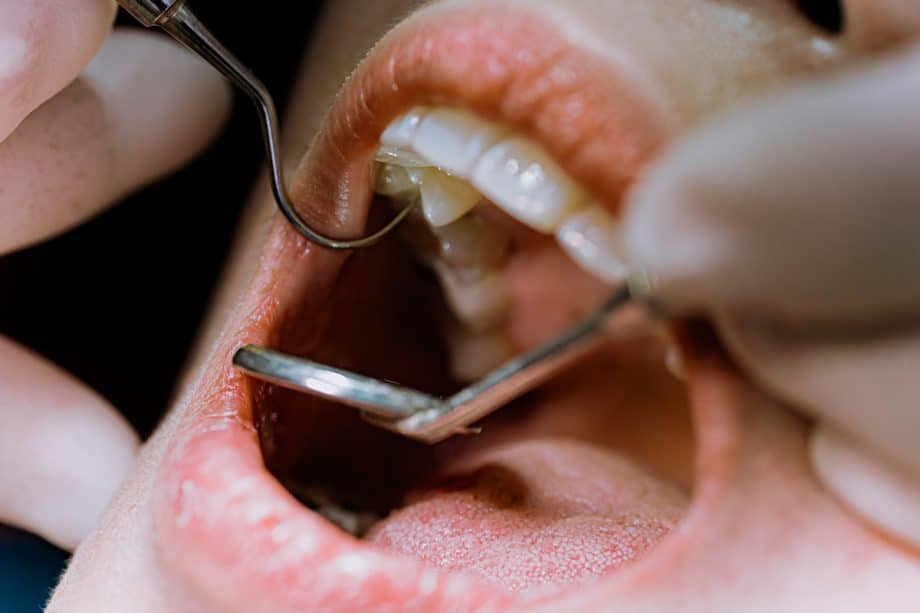
Severe tooth pain, sensitivity to hot or cold, discomfort while chewing, or swelling around a tooth can sometimes indicate that the soft tissue inside the tooth has become inflamed or infected. In such cases, root canal treatment may be recommended to remove the affected tissue, control infection, and preserve the natural tooth.
For patients researching root canal treatment cost in Chembur, the final price can vary depending on the tooth being treated, the number of canals, the complexity of the infection, diagnostic requirements, and whether a dental crown is needed afterward.
At Dr. Alisha’s Evershine Dental & Cosmetic Clinic, patients can undergo an examination to determine whether root canal treatment in Chembur is required and understand the expected treatment plan before proceeding.
This guide explains the typical cost factors, root canal procedure, recovery, aftercare, signs that you may need treatment, and what patients can expect from modern RCT in 2026.
What Is Root Canal Treatment?
Root canal treatment, commonly called RCT, is a dental procedure used when the pulp inside a tooth becomes inflamed, damaged, or infected.
The pulp is the soft tissue at the centre of the tooth and contains nerves and blood vessels. Deep decay, cracks, repeated dental work, trauma, or infection can allow bacteria to reach this inner tissue.
During treatment, the infected or inflamed pulp is removed. The inside of the tooth is then cleaned, shaped, disinfected, filled, and sealed. The aim is to retain the natural tooth rather than remove it.
The NHS explains that root canal treatment removes infection from inside a tooth and then seals the tooth to reduce the risk of further infection.
Root Canal Treatment Cost in Chembur
One of the most common questions patients ask is: How much does a root canal cost in Chembur?
The RCT cost in Chembur does not have one fixed amount because treatment requirements differ considerably between teeth and patients.
Evershine Clinic currently notes that root canal treatments may generally range from approximately ₹3,000 to ₹10,000, depending on the tooth and complexity of the case.
However, this figure should be treated as a general guide rather than a guaranteed quotation. Your total root canal treatment price may change depending on whether diagnostic imaging, multiple appointments, medication, retreatment, or a dental crown is required.
Factors That Affect Root Canal Cost in Chembur
Several factors influence the final treatment fee.
Type of tooth
Front teeth typically have fewer canals than premolars and molars. Molars can have more complex root anatomy, which can make treatment more time-consuming.
Number of root canals
A tooth with multiple canals generally requires more cleaning, shaping, and treatment than a simpler tooth.
Severity of infection
An uncomplicated case may be easier to treat than a tooth with significant infection, swelling, or an abscess.
Single sitting or multiple sittings
Some cases may be suitable for single sitting root canal treatment, while others require more than one appointment.
Primary treatment or retreatment
A tooth that has already undergone RCT and becomes infected again may require retreatment, which can be more complex.
Diagnostic imaging
Dental X-rays are commonly used for diagnosis and treatment planning. More complicated cases may require additional imaging.
Dental crown
The root canal and crown cost in Chembur will naturally be higher than the cost of RCT alone because the final restoration is a separate part of treatment.
Why Does Root Canal Cost Differ Between Front Teeth and Molars?
The anatomy of each tooth is different.
Front teeth frequently have relatively simple root structures, whereas premolars and molars may contain several canals and more complex internal anatomy.
As the number and shape of the canals become more complicated, treatment can require additional time and precision.
This is one reason why an exact root canal treatment cost in Mumbai or Chembur should ideally be given after the dentist has examined the tooth and reviewed appropriate X-rays.
When Do You Need Root Canal Treatment?
Root canal treatment is generally considered when the pulp inside the tooth becomes irreversibly damaged or infected.
Patients may notice symptoms such as:
- Persistent toothache
- Pain while biting or chewing
- Prolonged sensitivity to hot or cold
- Swelling around the tooth
- Gum tenderness
- A pimple-like swelling near the tooth
- Tooth discolouration
- Facial swelling in more advanced infections
Evershine Clinic’s treatment information also identifies severe tooth pain, swelling, sensitivity, pain while chewing, and infection near the root as signs that may indicate the need for RCT.
However, not every toothache requires root canal treatment. A dental examination is necessary to identify the actual cause.
Signs You Need a Root Canal
Recognising the signs you need a root canal early can make it easier to seek treatment before the tooth becomes more severely damaged.
Persistent Toothache
Pain that continues, returns repeatedly, or becomes worse when chewing should be assessed by a dentist.
Sensitivity That Lasts
Brief sensitivity can have many causes. However, prolonged discomfort after hot or cold foods may suggest deeper irritation of the tooth.
Swollen or Tender Gums
Swelling around one tooth may indicate inflammation or infection.
Dental Abscess
A dental abscess is a collection of infection that may cause pain, swelling, a bad taste, or pus.
Patients experiencing facial swelling, fever, difficulty swallowing, or difficulty breathing should seek urgent medical or dental attention rather than waiting for a routine appointment.
Deep Decay or Cracks
Deep cavities and cracks can allow bacteria to reach the pulp inside the tooth.
If you are experiencing these symptoms locally, a dentist can determine whether you require tooth infection treatment in Chembur, a filling, root canal treatment, or another approach.
What Happens During a Root Canal Procedure?
Many patients feel nervous because they are unsure what actually happens during treatment.
A modern root canal procedure typically follows several stages.
1. Examination and X-Ray
The dentist first examines the tooth and may take an X-ray to evaluate the roots and surrounding bone.
This helps determine whether RCT is necessary and how complex the internal anatomy may be.
2. Local Anaesthesia
Local anaesthesia is normally used to numb the tooth and surrounding tissues.
The American Association of Endodontists notes that, with anaesthesia, root canal treatment is generally no more uncomfortable than common dental procedures such as a filling.
3. Isolation of the Tooth
A dental dam may be placed around the tooth to keep the area dry and reduce contamination during treatment.
4. Accessing the Root Canals
A small opening is created in the tooth so that the dentist can reach the pulp chamber and root canals.
5. Removing the Infected Tissue
The inflamed or infected pulp is removed using specialised instruments.
6. Cleaning and Shaping
The internal canals are carefully cleaned and shaped.
The American Association of Endodontists describes this process as cleaning the pulp chamber and canals, shaping them, and preparing them for filling.
7. Filling and Sealing
Once cleaned, the canals are filled with a biocompatible material and sealed to reduce the chance of bacteria re-entering.
8. Restoring the Tooth
The opening in the tooth is closed with a filling or temporary restoration.
In many cases, especially for back teeth, a crown may later be recommended to provide additional protection.
Is Painless Root Canal Treatment Possible?
The phrase painless root canal treatment is commonly searched because many patients associate RCT with severe pain.
In reality, the intense pain that people often associate with root canals usually comes from the infection or inflammation that led to treatment.
During the procedure, local anaesthesia is used to numb the area.
The American Association of Endodontists states that a root canal is generally not more painful than routine procedures when appropriate anaesthesia is used, although mild soreness or numbness can occur afterward.
Modern instruments and anaesthetic techniques have therefore made the treatment experience considerably more comfortable than many patients expect.
Single Sitting Root Canal Treatment
A single sitting root canal treatment means that cleaning, shaping, disinfection, and filling of the canals are completed during one appointment.
Some straightforward cases may be suitable for this approach.
However, single-visit treatment is not appropriate for every tooth. Cases involving significant infection, complex anatomy, retreatment, or other complications may require additional appointments.
Evershine Clinic notes that a straightforward root canal may sometimes be completed in approximately 45–60 minutes, whereas more complicated or infected cases may require two visits.
Your dentist should decide the number of appointments according to the condition of the tooth rather than simply choosing the fastest option.
How Long Does a Root Canal Take?
For patients wondering how long does a root canal take, the answer depends on the tooth and complexity of the case.
A relatively simple tooth may require around an hour, while molars or complicated infections can take longer.
Some cases require multiple appointments.
Treatment time may be influenced by:
- Number of canals
- Shape of the roots
- Severity of infection
- Whether the tooth has previously been treated
- Ability to thoroughly clean and disinfect the canals
- Need for additional procedures
The goal should be effective treatment rather than simply completing RCT as quickly as possible.
Root Canal Recovery Time
Most people can return to their usual routine relatively quickly following treatment.
However, the treated tooth and surrounding tissues may remain mildly sore or sensitive for several days.
The NHS states that the area around the treated tooth can feel swollen or sore but should gradually improve during recovery.
The American Association of Endodontists also notes that symptoms in many patients improve within approximately three to five days.
Your individual root canal recovery time may depend on:
- Severity of the original infection
- Tooth location
- Complexity of treatment
- Number of appointments
- Your healing response
- Whether additional dental treatment is required
Pain After Root Canal Treatment
Some mild pain after root canal treatment does not necessarily mean that the treatment has failed.
The tissues surrounding the root may remain temporarily irritated following the procedure.
Patients can experience:
- Mild tenderness
- Sensitivity while biting
- Gum soreness
- Temporary discomfort around the tooth
Your dentist may advise appropriate pain relief according to your medical history.
However, you should contact your dentist if pain becomes severe, increases instead of improving, swelling develops, or symptoms continue longer than expected.
Root Canal Aftercare
Good root canal aftercare can help protect the treated tooth while it heals.
Wait Until Numbness Wears Off
Avoid chewing while your mouth is numb because you could accidentally bite your cheek, lip, or tongue.
Avoid Hard Foods on the Treated Tooth
Until the tooth receives its final restoration, avoid using it to bite very hard or sticky foods unless your dentist advises otherwise.
The American Association of Endodontists recommends avoiding heavy chewing on the treated tooth until it has been fully restored.
Maintain Oral Hygiene
Continue brushing and flossing, but be gentle around a tender treatment area.
Attend Your Follow-Up Appointment
If a crown or final restoration has been recommended, do not indefinitely delay completing the treatment.
Do You Need a Dental Crown After Root Canal Treatment?
A dental crown after root canal may be recommended to restore and protect the tooth, particularly when a significant amount of natural tooth structure has been lost.
Back teeth experience substantial chewing forces, so crowns are frequently recommended for molars and premolars after RCT.
The appropriate restoration depends on:
- Location of the tooth
- Amount of healthy tooth remaining
- Existing filling size
- Presence of cracks
- Bite forces
- Cosmetic considerations
Not every root-canal-treated tooth automatically requires exactly the same restoration. Your dentist should assess the individual tooth.
Root Canal and Crown Cost in Chembur
Patients often initially ask about the RCT fee and later discover that restoration costs must also be considered.
The root canal and crown cost in Chembur includes two separate aspects:
- Treating and sealing the internal root canals.
- Restoring and protecting the outer tooth.
The crown price varies according to the material chosen and the requirements of the tooth.
For this reason, when comparing affordable root canal treatment in Chembur, ask whether the quoted amount includes only RCT or also includes the final crown.
Root Canal vs Extraction: Which Is Better?
When a tooth is severely infected, patients sometimes compare root canal vs extraction.
Root Canal Treatment
RCT is intended to remove infection while preserving the natural tooth.
Potential advantages include:
- Keeping your natural tooth
- Maintaining chewing function
- Avoiding a gap
- Reducing the immediate need for a replacement tooth
Tooth Extraction
Extraction removes the entire tooth.
It may be necessary when the tooth cannot be predictably restored because of extensive damage, severe fracture, inadequate remaining structure, or other clinical reasons.
After extraction, replacing the missing tooth may involve options such as a dental implant, bridge, or partial denture.
The decision should therefore be based on whether the tooth can realistically be saved rather than simply which treatment has the lowest initial cost.
Can Root Canal Treatment Save an Infected Tooth?
In many suitable cases, yes.
The purpose of root canal treatment is to remove infected or inflamed tissue from inside the tooth while retaining the outer tooth structure.
The tooth then needs to be appropriately restored and monitored.
However, not every infected tooth can be saved. Severe fractures, advanced periodontal disease, extensive structural loss, or other complications may make extraction necessary.
An examination and X-ray are required before deciding.
What Is the Root Canal Success Rate?
Root canal treatment is a well-established dental procedure with good long-term outcomes when properly diagnosed, treated, restored, and maintained.
However, it is better not to think about the root canal success rate as a guaranteed percentage for every patient.
Success can depend on:
- Complexity of root anatomy
- Extent of infection
- Quality of cleaning and sealing
- Final restoration
- Oral hygiene
- Cracks or fractures
- Follow-up care
Some teeth may occasionally develop recurrent infection and require retreatment or other procedures.
Can a Root Canal Fail?
Yes, although many treated teeth function successfully for years.
Possible reasons for persistent or recurrent problems include:
- Undetected canals
- Complex root anatomy
- New decay
- Leakage beneath the restoration
- Cracks in the tooth
- Delayed final restoration
- Recontamination
Persistent pain does not automatically mean failure, but worsening or recurring symptoms should be evaluated by a dentist.
What Happens If You Delay Root Canal Treatment?
Delaying treatment for an infected tooth can allow the condition to worsen.
Possible consequences can include:
- Increasing pain
- Gum or facial swelling
- Dental abscess
- Further destruction of tooth structure
- Spread of infection into surrounding tissues
- Reduced possibility of saving the tooth
This is particularly important if you develop swelling, fever, difficulty swallowing, or difficulty breathing. These symptoms require urgent professional assessment.
How to Choose a Root Canal Dentist in Chembur
When looking for a root canal dentist in Chembur or root canal specialist in Chembur, consider more than just price.
Look for a clinic that provides:
- Proper diagnosis before recommending RCT
- Dental X-rays when clinically necessary
- Clear explanation of treatment options
- Local anaesthesia and pain management
- Appropriate infection-control procedures
- Transparent pricing
- Advice about final restoration
- Follow-up care
Patients considering treatment can learn more about root canal treatment in Chembur at Evershine Dental & Cosmetic Clinic. The clinic provides root canal treatment alongside other restorative dental procedures.
Root Canal Treatment in 2026: What Should Patients Expect?
In 2026, root canal treatment continues to focus on conservative dentistry: controlling infection while preserving as much natural tooth structure as reasonably possible.
Modern treatment may incorporate:
- Digital dental X-rays
- Improved rotary or reciprocating instruments
- Electronic measurement of canal length
- Better irrigation and disinfection protocols
- Enhanced restorative materials
- Magnification in appropriate cases
- CBCT imaging for selected complex cases
Technology can support diagnosis and treatment, but the basic objective remains the same: thoroughly treat the infected root canal system and restore the tooth appropriately.
Frequently Asked Questions
How much does root canal treatment cost in Chembur?
Evershine Clinic currently lists root canal treatment at approximately ₹3,000–₹10,000, depending on the tooth and complexity. The final amount can also be affected by imaging, the number of canals, additional treatment, and whether a crown is required.
Is root canal treatment painful?
Modern RCT is normally performed using local anaesthesia. The American Association of Endodontists notes that treatment is generally comparable in discomfort to routine dental procedures, although some temporary soreness may occur afterward.
How long does a root canal take?
Some straightforward cases may take approximately 45–60 minutes, while complex teeth or significant infections may require longer or more than one appointment.
Can root canal treatment be completed in one sitting?
Yes, some cases can be completed in one appointment. However, multiple visits may be recommended when infection or anatomy makes additional treatment necessary.
How long is root canal recovery?
Mild tenderness can occur for several days after treatment. Many patients improve within a few days, although the surrounding tissues can take longer to settle completely.
Can I eat after root canal treatment?
It is generally sensible to wait until the numbness has worn off before eating. Avoid biting hard foods on the treated tooth until your dentist says it is safe, particularly if the final restoration has not yet been completed.
Is a crown necessary after root canal treatment?
A crown is commonly recommended for teeth that have lost substantial structure or experience heavy chewing forces, especially back teeth. The restoration needed depends on the individual tooth.
What happens if I don’t get a root canal?
If the pulp is irreversibly infected and treatment is delayed, pain and infection can worsen and the tooth may eventually become unsuitable for preservation.
Is root canal better than tooth extraction?
When a tooth can be predictably restored, RCT allows the natural tooth to remain. Extraction may be more appropriate when a tooth cannot be saved. Your dentist should assess both options.
How do I know whether I need root canal treatment?
Persistent toothache, prolonged sensitivity, pain while chewing, swelling, or an abscess can indicate a problem, but only a dental examination can determine whether RCT is actually required.
Final Thoughts
The root canal treatment cost in Chembur depends on much more than a single advertised price. Tooth type, number of canals, infection severity, treatment complexity, imaging, number of appointments, and the need for a crown can all influence the final cost.
Modern root canal treatment is designed to remove infection while preserving the natural tooth whenever clinically appropriate. For many patients, treating the problem early can also reduce the risk of more extensive dental treatment later.
If you are experiencing severe toothache, sensitivity, swelling, or other symptoms and are considering RCT treatment in Chembur, you can schedule an assessment at Dr. Alisha’s Evershine Dental & Cosmetic Clinic to understand whether root canal treatment is necessary and receive an individual treatment and cost estimate.
This article is intended for general educational information and should not replace an examination, diagnosis, or personalised treatment plan from a qualified dentist.