

Visiting a dentist for the first time can be an overwhelming experience for many individuals. Dental anxiety is a common condition that affects patients across all age groups, ranging from mild nervousness to severe phobia. This anxiety often stems from past negative experiences, fear of pain, the sound of dental equipment, or simply not knowing what to expect during treatment. For first-time patients, these fears can be compounded by unfamiliarity with procedures, uncertainty about outcomes, or worry about the potential cost and duration of treatment.
Video consultations have emerged as a transformative solution for addressing these concerns. By providing a safe, remote, and supportive environment, video consultations allow patients to interact directly with dental professionals before stepping into a clinic. During these sessions, patients can ask questions about procedures, discuss previous fears or experiences, and receive clear, step-by-step explanations of what to expect. This early interaction helps patients gain confidence, reduces the sense of uncertainty, and creates a smoother transition when in-person care is required.
Moreover, video consultations offer an opportunity for dentists to assess a patient’s oral health remotely, review previous records or photos, and suggest personalized strategies for anxiety management. For children, first-time patients, or adults with heightened dental fear, these sessions provide reassurance, education, and a structured plan, ensuring that when they do attend the clinic, they feel informed, prepared, and significantly less anxious. Patients can also explore options for a smile makeover during these virtual sessions, helping plan cosmetic enhancements safely and effectively.
Why Video Consultations Help
Video consultations are particularly effective for patients who experience dental anxiety or are visiting a dentist for the first time. They provide a controlled and supportive environment where patients can begin their dental journey without fear. The benefits are multifaceted:
- Reduce Exposure Stress: Being in a familiar environment, such as your own home, eliminates many of the triggers that cause anxiety in a clinic, including unfamiliar smells, sounds, and visual stimuli. This allows patients to engage with the dentist calmly and attentively.
- Provide Familiarity: First-time patients can interact with the dentist face-to-face over video, ask questions about upcoming procedures, and learn about treatment steps in a non-threatening, informal setting. This gradual introduction reduces fear of the unknown and builds a sense of comfort.
- Increase Confidence: Understanding what to expect before entering the clinic helps patients mentally prepare, reducing fear and hesitancy. Clear explanations about procedures, sensations, and timelines empower patients to take an active role in their care.
- Offer Personalized Attention: Dentists can tailor their guidance based on the patient’s age, specific fears, previous dental experiences, and oral health conditions. This individualized approach ensures that each patient receives the support they need to feel comfortable and reassured.
- Build Trust and Cooperation: By experiencing a consultation first via video, patients often feel more confident and cooperative during subsequent in-person treatments. Anxiety levels decrease, making procedures smoother, safer, and less stressful for both the patient and the dental team.
Overall, video consultations act as a bridge, preparing patients emotionally and mentally for clinic visits while allowing dentists to understand and address their concerns in advance. This proactive approach improves both patient satisfaction and treatment outcomes.
Preparing for Your Video Consultation

Proper preparation ensures that the session is productive and that the dentist can provide comprehensive guidance. Key steps include:
- Gather Your Dental Information: Collect previous dental records, X-rays, photographs, or notes from prior visits. Sharing these documents helps the dentist understand your oral history and provides a baseline for evaluation.
- List Your Questions and Concerns: Write down specific concerns such as fear of injections, anxiety about specific procedures, or any past experiences that caused stress. Include questions about preventive care, treatment options, and maintenance.
- Technical Setup: Choose a quiet, well-lit space and ensure your device has a stable internet connection. Test your camera and microphone in advance to avoid technical disruptions during the consultation.
- Prepare Visual Aids: Have photographs of your teeth or any areas of concern ready to share. If possible, take pictures from multiple angles to give the dentist a clear view of your oral condition.
- Create a Comfortable Environment: Make sure you are seated comfortably, with minimal distractions, to allow for focused interaction. For children or anxious patients, having a parent or companion nearby can provide reassurance.
By following these steps, patients ensure that the video consultation is efficient, thorough, and tailored to their unique needs. Dentists can then provide detailed advice for anxiety management, treatment planning, and preventive care, resulting in a more confident and positive experience during future in-clinic appointments.
What to Expect During the Consultation
During a video consultation for anxious or first-time patients, the dentist guides you through a structured and supportive process designed to address concerns, evaluate oral health, and reduce fear. Key components include:
- Discuss Dental History and Concerns: The dentist begins by understanding your personal dental history, past experiences, and sources of anxiety. This step allows the dentist to identify specific triggers, anticipate potential fears during in-clinic procedures, and tailor guidance accordingly. Patients are encouraged to share their prior dental experiences, habits, or specific concerns to ensure the consultation addresses their needs fully.
- Explain Procedures in Detail: Using digital models, diagrams, or live demonstrations, the dentist walks patients through upcoming procedures. Every step, from initial examination to treatment completion, is described in simple, non-technical terms. Patients gain clarity on what sensations to expect, how long each step will take, and what equipment or materials will be used, reducing uncertainty and fostering comfort.
- Assess Oral Health Remotely: Patients provide photos, short videos, or previous dental records to allow the dentist to evaluate teeth alignment, gum health, and any visible issues. This remote assessment ensures that even without an immediate in-clinic visit, a preliminary diagnosis and care plan can be created.
- Offer Anxiety-Reduction Strategies: The dentist introduces practical methods to manage stress, including controlled breathing, visualization exercises, and stepwise exposure to common dental procedures. This empowers patients to feel in control during future in-person visits.
- Provide Personalized Advice: Based on the assessment, the dentist provides actionable guidance tailored to the patient’s needs. Recommendations may include preventive care routines, dietary adjustments, practice exercises for relaxation, or stepwise planning for complex treatments.
By combining education, evaluation, and emotional support, the consultation ensures patients feel informed, prepared, and confident before undergoing any in-clinic treatment.
Techniques to Reduce Anxiety
Dentists employ several strategies specifically designed to help anxious or first-time patients navigate dental care comfortably:
- Cognitive Preparation: Patients are guided through a detailed explanation of each procedure, including expected sensations, sequence of steps, and duration. This reduces fear of the unknown and builds mental readiness.
- Relaxation Methods: Techniques such as deep breathing, guided imagery, or short mindfulness exercises are introduced to help patients manage stress before and during treatment.
- Gradual Exposure: Patients are gradually introduced to dental instruments, equipment, or procedural steps via the video consultation. This stepwise approach desensitizes patients to potential triggers, making the eventual in-clinic experience less intimidating.
- Parental Support: For children or highly anxious patients, a parent or caregiver can participate in the video session, offering reassurance, guidance, and comfort. This collaboration encourages cooperation and builds confidence in younger patients.
These techniques empower patients to gain control over their anxiety, approach dental procedures calmly, and engage actively in their oral health care.
Benefits of Video Consultations
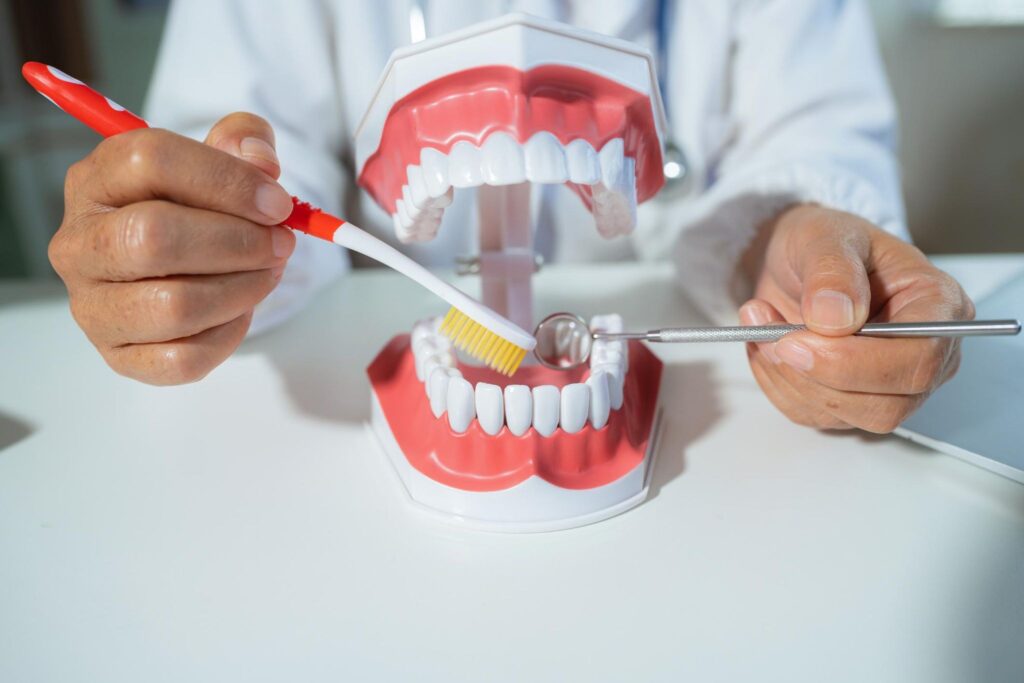
Video consultations offer numerous advantages, especially for first-time or anxious patients:
- Convenience: Appointments can be scheduled around school, work, or family commitments, eliminating travel stress and allowing patients to engage from a comfortable home environment.
- Early Intervention: Dentists can identify potential issues and provide preventive guidance before patients arrive at the clinic. Early intervention often reduces the need for extensive procedures later.
- Personalized Guidance: Recommendations are tailored to the patient’s age, oral health history, and anxiety levels. Each patient receives individualized strategies for both dental care and anxiety management.
- Reduced Stress: Familiar surroundings during the consultation help patients relax, making it easier to discuss concerns openly and build trust with the dentist.
- Continuity of Care: Virtual consultations complement in-clinic visits. Records from the session, including photos, advice, and observations, are stored for future reference, ensuring consistent follow-up and long-term care planning.
By integrating these benefits, video consultations provide a structured, reassuring, and effective approach for anxious patients and first-time dental visitors, laying the foundation for a positive and confident dental care experience.
Follow-Up and Continuing Care
After a video consultation:
- In-Clinic Planning: Schedule appointments efficiently for treatments that require physical intervention.
- Home Care Guidance: Follow dentist-recommended oral hygiene routines, dietary adjustments, or preventive measures.
- Virtual Check-Ins: Maintain periodic consultations to track progress, adjust care plans, and reinforce confidence.
Consistent follow-up ensures both oral health improvement and long-term management of dental anxiety.
Booking Your Video Consultation
Booking is flexible and straightforward:
- Select Your Session Type: Choose between a full virtual consultation or a hybrid approach with in-clinic follow-up.
- Pick a Convenient Time: Schedule around work, school, or other commitments.
- Receive Preparation Instructions: Guidance on sharing photos, documents, and questions in advance.
- Engage in Consultation: Interact with the dentist, discuss concerns, and receive personalized advice.
- Access Ongoing Support: Follow-up guidance and preventive recommendations as needed.
Flexible Clinic Timings
To accommodate all patients, the clinic maintains extended hours:
- Monday – Friday: 9:30 AM – 9:00 PM
- Saturday – Sunday: 9:30 AM – 9:00 PM
Video consultations make it easy for first-time and anxious patients to take a proactive, informed approach to dental care.
Frequently Asked Questions (FAQs)
1. Can video consultations replace in-person dental visits?
While video consultations provide evaluation, guidance, and anxiety management, certain procedures such as fillings, cleanings, or orthodontic treatments still require in-clinic appointments.
2. How can a dentist assess my oral health remotely?
Dentists use high-quality photos, videos, and digital records to evaluate teeth, gums, and oral hygiene, combined with patient history for accurate guidance.
3. Are video consultations effective for managing anxiety?
Yes. Familiar environments, gradual exposure, and relaxation techniques during virtual sessions help reduce stress and improve cooperation during in-clinic treatments.
4. Can children benefit from video consultations?
Absolutely. Children gain exposure to dental procedures in a comfortable setting, parents can participate, and dentists provide guidance on oral hygiene and anxiety management.
5. Do I need any special equipment for a virtual consultation?
A smartphone, tablet, or computer with a camera and microphone, a stable internet connection, and good lighting is sufficient. Optional: photos or previous dental records for reference.
6. How long does a typical video consultation last?
Most sessions last 20–40 minutes, depending on complexity, questions, and the patient’s comfort level.
7. Can international patients use this service?
Yes. Video consultations are accessible globally, allowing planning before visiting a clinic in person.