
Losing your front teeth can change the way you experience everyday life. You start hiding your smile in photos, chew on one side to avoid discomfort, or even hesitate to meet people. It’s not just about looks, it’s about feeling like yourself again.
That’s why so many patients ask, “Can I bridge my four front teeth?”
And the answer is yes — absolutely.
A 4 front teeth bridge is one of the most reliable and natural-looking ways to replace missing front teeth. It restores how you eat, speak, and smile, while also protecting the rest of your teeth from shifting or overworking.
But before you decide, it helps to understand how it works, what it feels like, and how to take care of it in the long run.
Let’s walk through it step by step.
Can You Bridge Four Front Teeth?
You can, and it’s more common than you might think.
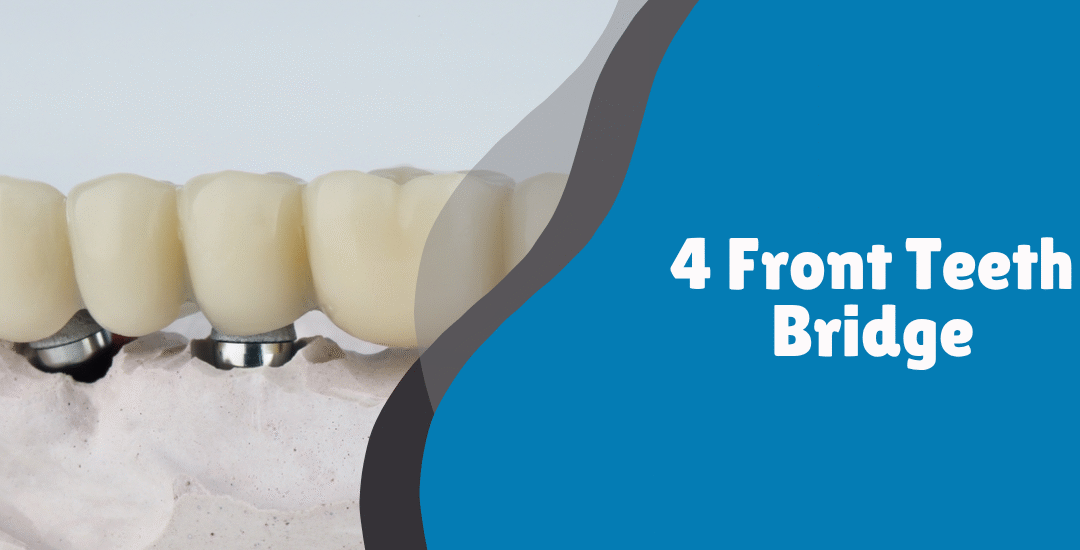
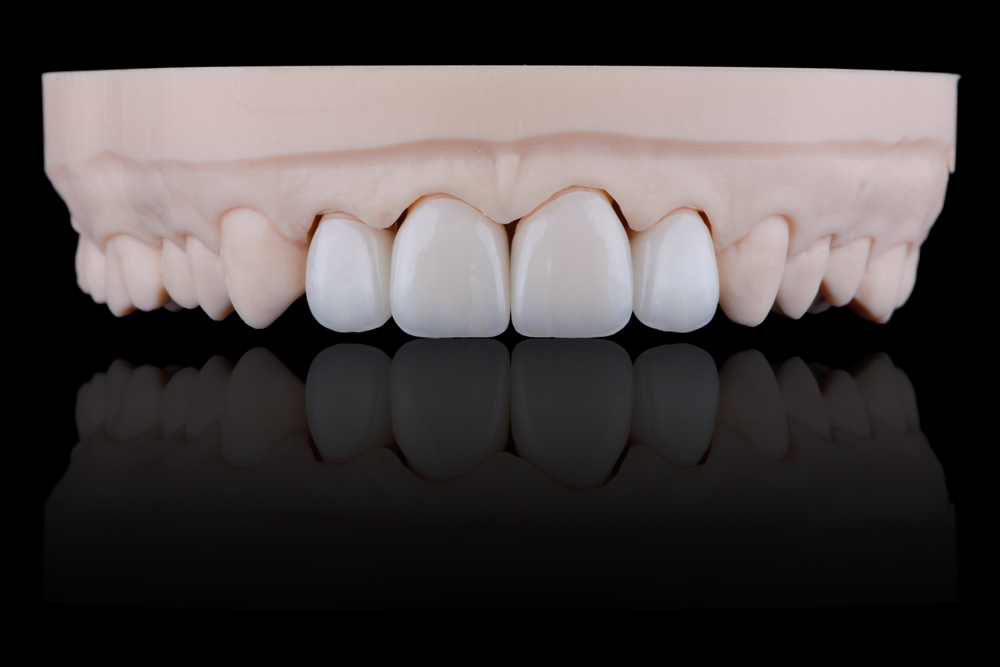
When you lose multiple front teeth, whether from decay, injury, or wear — a 4-unit bridge can fill that space beautifully. The bridge anchors to healthy teeth (or implants) on either side and supports four custom-made artificial teeth, called pontics, in between.
The materials used today are advanced and long-lasting.
- Porcelain-fused-to-metal bridges offer a good mix of strength and appearance.
- Zirconia bridges are the gold standard for those who want a completely natural look.
- Implant-supported bridges are ideal when the neighboring teeth can’t support the bridge.
Each option is customized to your facial structure, bite, and gumline. When done well, the bridge blends so seamlessly that even your reflection won’t give it away.
As one dental expert puts it, “Restoring front teeth isn’t just a cosmetic fix — it’s rebuilding confidence, function, and balance.”
Is a Bridge Good for Front Teeth?
Absolutely. A dental bridge doesn’t just replace missing teeth — it keeps your entire mouth aligned and functional.
When front teeth go missing, your other teeth start to shift into those gaps. That affects how your bite feels and how you chew. Over time, it can even make your face look slightly sunken because the lips lose natural support.
A bridge helps prevent that. It:
- Restores symmetry and support to your smile.
- Makes speech clearer and more natural.
- Keeps neighboring teeth stable and healthy.
- Improves chewing efficiency.
Many patients also prefer it because it’s non-surgical, fast, and cost-effective compared to implants, yet still long-lasting and secure.
Once the bridge is in, it feels just like a natural part of you again.
Is a Four-Tooth Bridge Strong?
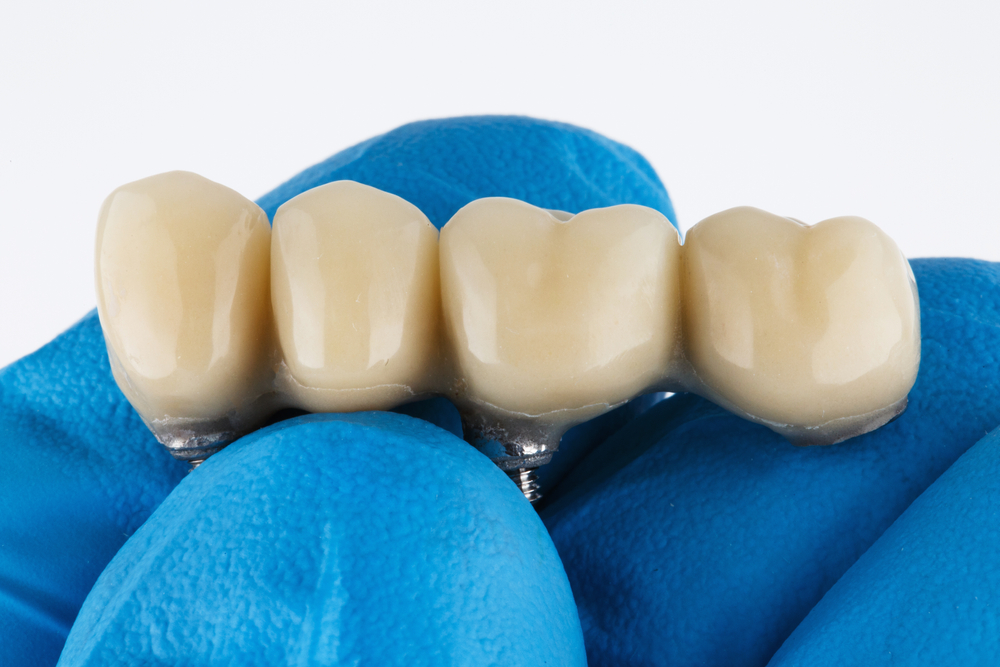
It is surprisingly strong.
A four-tooth bridge can last anywhere from 10 to 15 years, sometimes even longer, depending on how well it’s maintained. Materials like zirconia are known for their durability and resistance to chips or cracks.
That said, strength isn’t only about material. It also depends on the condition of your gums, supporting teeth, and bite alignment.
So, yes — your bridge will easily handle your daily eating and speaking needs. Just try not to bite directly into hard foods like ice or nuts. Treat it like a strong but delicate piece of art,meant to last, not be tested.
What Are the Negative Effects of Bridges?
Like any dental procedure, bridges come with a few things to be mindful of.
You might experience mild sensitivity or soreness for a few days after placement, that’s completely normal. If not cleaned properly, food can get trapped underneath, leading to gum irritation or decay around the supporting teeth. Over several years, natural wear or gum recession may require adjustments or replacements.
The key here is maintenance. A well-fitted bridge combined with good oral hygiene can stay strong and problem-free for many years.
How to Manage a 4 Front Teeth Bridge
Caring for your bridge isn’t complicated, but it does need consistency.
Here’s a simple daily routine that works:
- Brush twice a day using a soft toothbrush and fluoride toothpaste.
- Use floss threaders or a water flosser to clean under the bridge.
- Rinse with an antibacterial mouthwash to keep your gums healthy.
- Avoid biting directly into hard foods.
- Visit your dentist every six months for cleaning and check-ups.
Think of it this way, your bridge is part of you now. Treat it with the same care you give your natural teeth, and it’ll stay strong for a very long time.
What Is the Recovery Time for a Bridge?
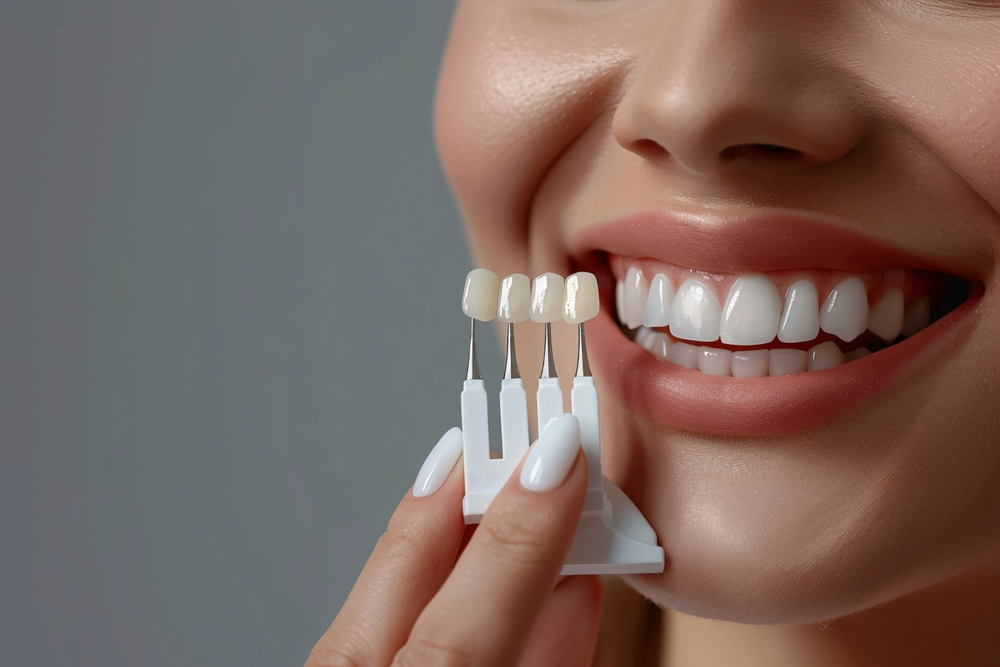
Recovery is usually smooth and short.
Most people adjust within a week, though it may take two to three weeks to feel completely natural. You might notice slight sensitivity or tenderness at first — that’s just your mouth adapting.
Eat soft foods during the first few days, avoid very hot or cold items, and don’t skip brushing. Within no time, you’ll be chewing and smiling comfortably again.
Conclusion
A 4 front teeth bridge is more than a dental solution, it’s a way to get back the freedom that comes with smiling naturally again. It restores balance, helps you speak and chew properly, and supports the overall structure of your face.
With quality materials, proper placement, and regular maintenance, it can last over a decade — often longer.
If you’ve been living with missing front teeth, you don’t have to keep adjusting your smile or hiding behind your hand. Dentistry today makes it possible to get back what you’ve lost — comfortably, confidently, and beautifully.
Is your toddler’s teething experience causing discomfort? Get in touch with a seasoned specialist to help ease their pain with expert guidance and solutions.
Considering a 4 Front Teeth Bridge? Visit a Dentist in Chembur
A 4 front teeth bridge is an effective solution to restore your smile, bite, and confidence after tooth loss. However, proper planning, precision, and expert execution are essential for natural-looking and long-lasting results.
If you’re exploring front teeth replacement options, consult an experienced dentist in Chembur. Dr. Alisha’s Evershine Dental And Cosmetic Clinic, Chembur is recognized as one of the best dental clinics in Chembur, offering advanced cosmetic and restorative dental treatments with a focus on aesthetics and comfort.
FAQs
Q1: How long does a 4-unit dental bridge last?
With proper care and regular dental check-ups, a 4-unit bridge usually lasts 10–15 years or even longer.
Q2: Can I eat normally with a dental bridge?
Yes. Once you’re used to it, eating feels completely normal. Just avoid very hard or sticky foods.
Q3: Is the procedure painful?
No. The procedure is done under local anesthesia, and mild post-procedure sensitivity fades within a few days.
Q4: How do I clean under the bridge?
Use floss threaders, super floss, or a water flosser to keep the area under your bridge clean every day.
Q5: Are there alternatives to bridges?
Yes, options like dental implants or removable partial dentures might suit your case better, depending on your gum and bone health.
Reference links:
https://www.betterhealth.vic.gov.au/health/conditionsandtreatments/teeth-development-in-children
https://www.webmd.com/parenting/baby/teething-symptoms-remedies
Disclaimer: The information shared in this content is for educational purposes and not for promotional use.